
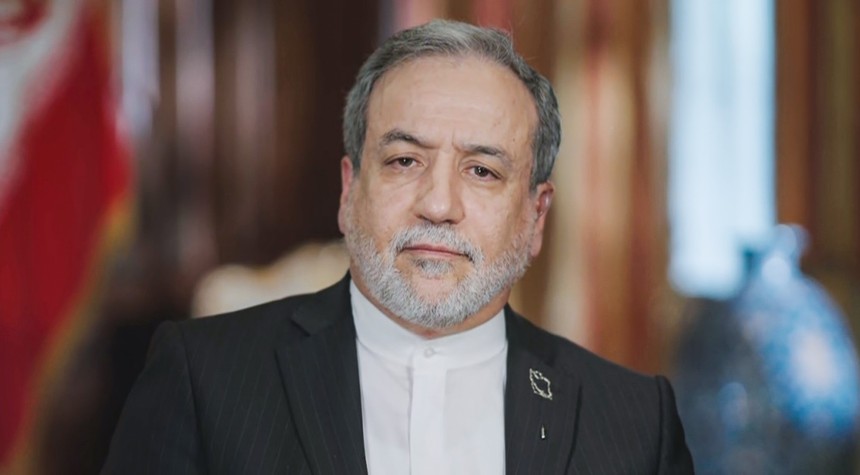
The dangerous standoff between the United States and Iran over the Strait of Hormuz has entered a precarious new phase, with Tehran warning of its readiness for military conflict while simultaneously maintaining that diplomatic channels remain open.
Iranian Foreign Minister Abbas Araghchi delivered a sobering message in remarks to American media on Sunday, stating his nation stands “fully prepared for the time for the war to be resumed” and would respond firmly to any aggression, even to the point of what he termed “a doomsday war.” Yet in the same breath, Araghchi emphasized that Iran continues to pursue diplomatic solutions, placing the choice squarely before President Trump.
This stark duality comes in the wake of Trump’s public rejection of an Iranian proposal to reopen the Strait of Hormuz, the vital waterway through which nearly one-fifth of the world’s petroleum passes. Iran had offered to restore normal maritime passage through the strait within seven days as part of a broader agreement conveyed through Qatari mediators during last week’s United Nations General Assembly in New York.
The President dismissed the proposal on Saturday, telling reporters he had “rejected their deal” and suggesting Iran made the offer because “they’re losing so badly.” According to Araghchi, however, no official rejection had been communicated through diplomatic channels as of Sunday, despite Trump’s public statements.
The Iranian foreign minister outlined Tehran’s position with clarity. Iran would reopen the strait in exchange for the release of frozen Iranian assets and the ability to sell oil on international markets. These conditions, Araghchi insisted, were “not new” and represented commitments the United States had previously made in a June memorandum of understanding that established a temporary ceasefire. That agreement collapsed within days when hostilities resumed.
“If you ask us, there is no reason why we should go back to diplomacy,” Araghchi acknowledged. “But I am still trying diplomacy because I think we shouldn’t miss any chance for peace.”
The American position appears equally firm. U.S. Ambassador to the United Nations Mike Waltz characterized the Iranian proposal as “a pretty cynical attempt” to secure terms Washington finds unacceptable, particularly regarding access to billions in frozen funds and the lifting of international sanctions.
Waltz raised pointed questions about Iranian reliability, noting Tehran’s violation of the previous ceasefire agreement through attacks on international shipping. He questioned “who’s calling the shots in Iran right now” and defended the President’s skepticism given the recent failure of diplomatic efforts.
The fundamental disagreement centers on trust and sequencing. Iran demands economic relief in exchange for reopening vital shipping lanes. The United States, having witnessed the rapid collapse of a previous agreement, remains unwilling to release substantial assets without assurances of sustained Iranian compliance.
Araghchi dismissed any connection between Iranian decision-making and the American political calendar, stating flatly that Tehran does not care about U.S. midterm elections but rather about Iranian national interests.
The world watches this high-stakes standoff with considerable anxiety. The Strait of Hormuz represents not merely a regional concern but a critical artery of global commerce. Any prolonged closure or military escalation carries profound economic consequences that would reverberate far beyond the Middle East.
And that is the situation as it stands tonight. Two nations, each claiming readiness for either war or peace, locked in a diplomatic impasse with global implications.
Related: Tenth Body Discovered Near Johannesburg as Serial Killer Investigation Intensifies