
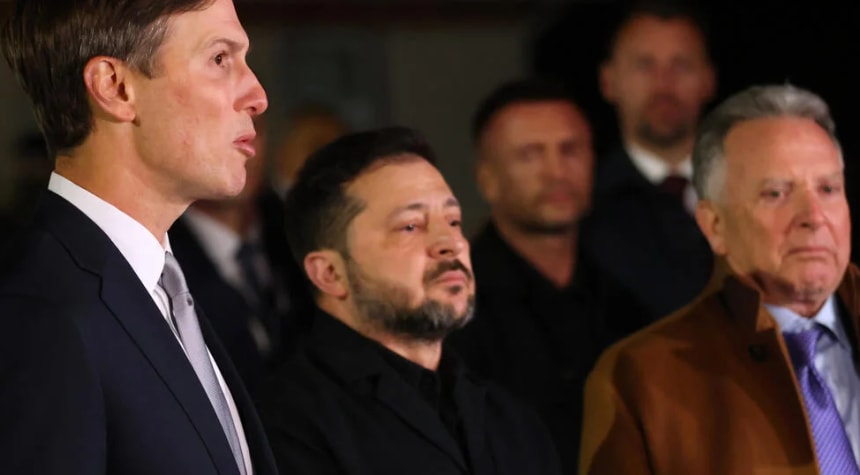
The United States has begun facilitating direct negotiations between Russia and European nations as part of an intensified effort to secure a peace settlement in Ukraine, according to President Trump’s special envoy Jared Kushner.
Kushner and fellow envoy Steve Witkoff conducted separate meetings this past week with Russian President Vladimir Putin and Ukrainian President Volodymyr Zelenskyy, continuing the Trump administration’s push to resolve a conflict now entering its fifth year. These diplomatic engagements followed the conclusion of the first round of American-brokered talks between the warring parties since February, which yielded an agreement on prisoner exchanges and future discussions but no substantial progress toward a comprehensive peace agreement.
The focus has now shifted, Kushner indicated Saturday, toward bringing European partners directly into negotiations with Moscow while preparing the agenda for subsequent trilateral discussions. Several new proposals have emerged from recent meetings, he said, though it remains uncertain which initiatives might produce meaningful breakthroughs.
President Zelenskyy, however, expressed significant reservations about the direction of these talks. The Ukrainian leader revealed that American negotiators had raised the possibility of establishing a new security framework for Europe, a concept he warned could provide Moscow with opportunities to undermine the NATO alliance and redraw continental borders.
For the first time, Zelenskyy disclosed, American representatives inquired whether Ukraine would consider withdrawing from portions of the Donbas region currently under Ukrainian control in exchange for NATO membership. The Ukrainian president firmly rejected any territorial concessions, maintaining that Kyiv would not surrender sovereign territory under any circumstances.
Zelenskyy believes Moscow’s true interest lies not in ending the current conflict but in reopening fundamental questions about European security architecture. Putin’s documented desire to alter European borders, he argued, represents a dangerous precedent that historically leads to war rather than preventing it.
European leaders have expressed similar concerns, insisting that decisions regarding continental security must remain in European hands. They have warned against permitting Russia to dictate terms of any new security arrangement or to negotiate NATO’s future structure and deployment.
Ukraine is currently working with partners to develop a comprehensive security package that would include explicit guarantees from NATO and the European Union, substantial military capabilities, sustained financial support, and a detailed reconstruction plan. Zelenskyy indicated he would present any such agreement to the Ukrainian people for their consideration, though he emphasized that no arrangement would involve recognizing Russian-occupied territories.
The Ukrainian president categorically rejected the possibility of Ukrainian neutrality, noting that such a commitment would require constitutional changes Ukraine has no intention of making. He pointed out that Ukraine already exists outside NATO membership without formal neutral status.
Kushner acknowledged Saturday that enduring peace requires robust security guarantees for Ukraine and detailed postwar security arrangements designed to prevent future conflicts. NATO will remain central to European security, he said, supplemented by enhanced mechanisms for military coordination, communication, and dispute resolution.
The special envoy emphasized that European partners must participate directly in these discussions and that President Trump will only endorse arrangements that strengthen both Ukrainian and European security while reducing the likelihood of future conflict.
Zelenskyy warned that broader security discussions could enable Putin to demand changes to NATO’s military posture, potentially including the withdrawal of American forces from Europe. He noted that Putin raised similar proposals with then-President Biden in 2021, seeking a fundamental redistribution of power.
The Ukrainian president insisted that any modifications to European security arrangements must be determined exclusively by European NATO members and only after the war’s conclusion. Ukraine must receive security guarantees before any broader European security architecture can be negotiated, he said, adding that there can be no European security without Ukraine’s inclusion.
President Trump is scheduled to meet with President Putin next week as part of a trilateral summit that will also include Chinese leader Xi Jinping. Administration officials indicated that Russia’s war in Ukraine is not expected to be discussed during that meeting.
Related: Trump to Meet Putin and Xi in Historic Three-Way Summit in China