
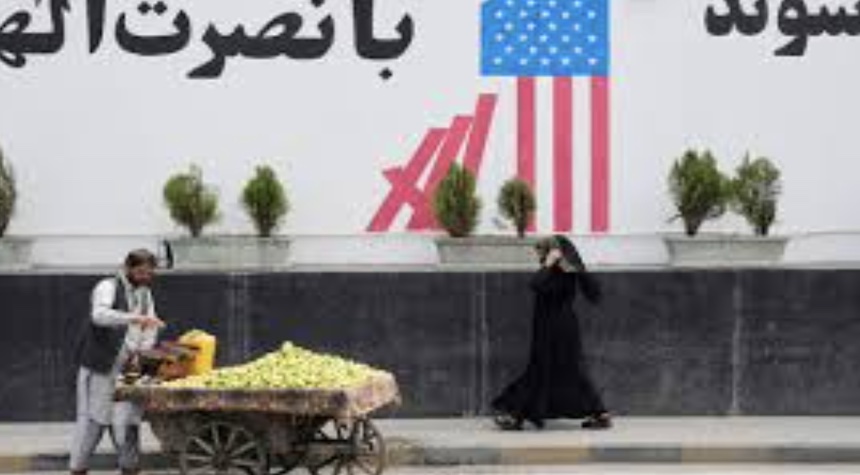
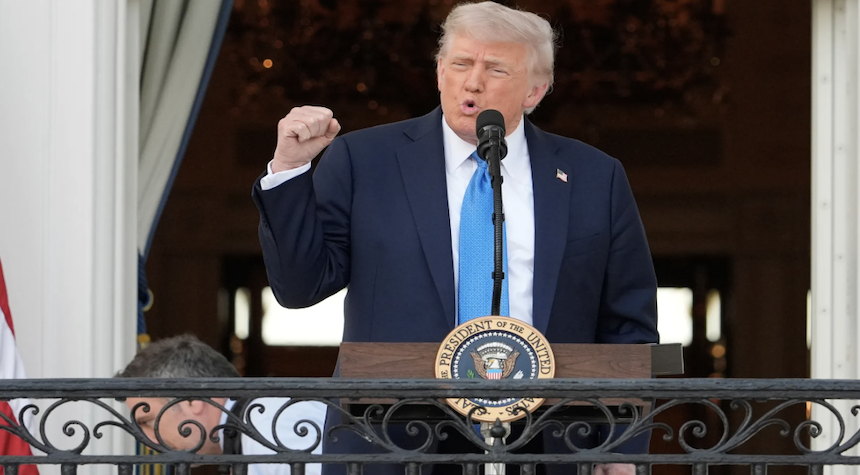
Iranians are once again facing a travel ban imposed by President Donald Trump, a decision that has elicited a mix of anger, frustration, and indifference given the longstanding tensions between the two nations.
Trump had previously imposed a similar ban during his first term before unilaterally withdrawing America from Tehran’s 2015 nuclear deal with world powers. In that agreement, Iran drastically limited its nuclear program in exchange for the lifting of economic sanctions. President Trump now seeks a new deal with Iran, a move that has seen the country’s rial currency improve and stocks rise. However, concerns have grown as Iran’s government appears ready to reject an initial American proposal. The reinstated travel ban has further darkened the mood, leading Iranians to wonder if the Trump administration views the nation’s 80 million people as equivalent to its theocratic government, despite repeated praise of the Iranian people during deal negotiations.
Despite decades of strained relations following the 1979 Islamic Revolution and the subsequent U.S. Embassy hostage crisis, Iranian students have often travelled to the U.S. to attend universities. From 2018 to 2024, an average of approximately 10,000 Iranian students journeyed to the U.S. each year. Estimates suggest that around 1 million people of Iranian origin currently reside in the U.S.
Iranian citizens have expressed varying reactions to the travel ban. Mehrnoush Alipour, a 37-year-old graphic designer, said, “This is another foolish decision. Trump cannot reach his goals by imposing pressure on ordinary Iranians. The two nations can have better relations through openings, not restrictions.” Bank teller Mahdieh Naderi suggested that Trump was expressing frustration over his unsuccessful efforts to broker ceasefires in the Israel-Hamas and Russia-Ukraine conflicts.
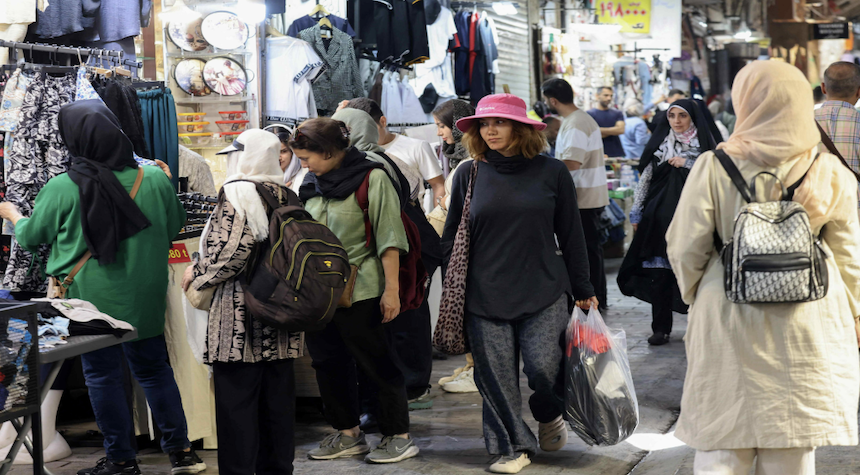
However, some Iranians expressed a waning interest in the U.S. even prior to the latest ban. Mohammad Ali Niaraki, 75, said, “Over the past years, two of my grandchildren went to Canada to continue their education there. Iranians are not limited in immigration, and they are not as interested in going to the U.S. as they were decades ago. Iranians prefer Canada, as well as neighboring countries with flourishing economies like the United Arab Emirates.” Others noted that high-ranking government officials still have children living or working in the U.S., despite the tensions.
There was also rare support for the decision. Tehran resident Mehri Soltani stated, “Those who have family members in the U.S, it’s their right to go, but a bunch of bad people and terrorists and murderers want to go there as well. So his policy is correct. He’s doing the right thing.”
This development raises important questions about the future of U.S.-Iran relations, the prospects for a renewed nuclear deal, and the impact on Iranian citizens both at home and abroad. As always, we’ll remain committed to bringing you the verified facts and the most reliable information.