
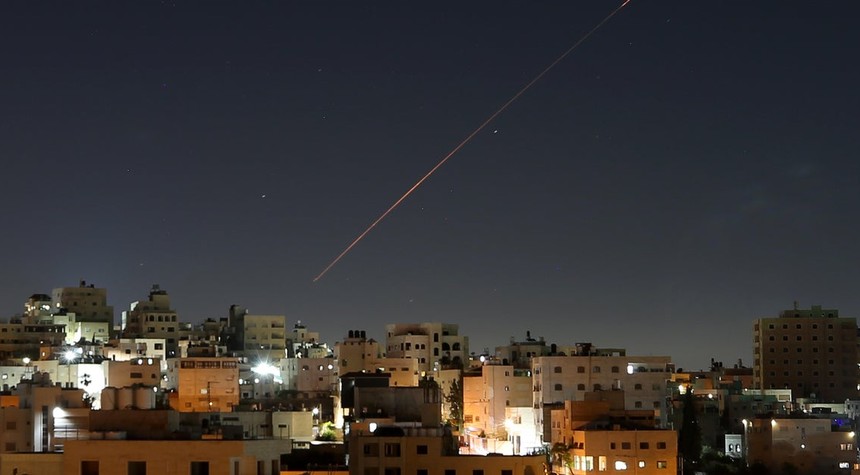
Israeli Prime Minister Benjamin Netanyahu announced Monday that Israel has ceased its military operations against Iran and Hezbollah forces in Lebanon, following a parallel declaration from Tehran’s military command that it too would halt its attacks.
The temporary cessation of hostilities represents a significant de-escalation in what had become the most serious confrontation between the two adversaries since a fragile ceasefire took effect in early April. The pause came after President Trump publicly urged both nations to immediately stop their military actions.
In a brief but pointed statement, Netanyahu characterized the current strategic position with characteristic confidence. Iran and Hezbollah, he stated, are weaker than they have been in years, while Israel stands stronger than ever. However, the Prime Minister was careful to note that the fundamental struggle with these adversaries remains unresolved. Having conducted extensive bombardments against both targets, Netanyahu confirmed that for now, the fire has been halted.
The Israeli leader issued a clear warning regarding future Iranian aggression. Should the terrorist regime in Iran make the mistake of attacking Israel again, he pledged a forceful response. Netanyahu emphasized Israel’s full right to self-defense, expressing appreciation for what he described as productive conversations with President Trump.
The Iranian military’s announcement came with its own conditions. Tehran stated it would maintain the halt in operations only as long as Israel ceased its strikes, specifically including those targeting southern Lebanon.
This temporary calm follows weekend Israeli strikes on Dahiyeh, a southern suburb of Beirut known as a Hezbollah stronghold. Those operations triggered the most serious exchange of fire since the April ceasefire, raising concerns about a broader regional conflict.
Israeli Defense Minister Israel Katz struck a notably different tone than his Prime Minister, vowing continued operations against Hezbollah despite Iranian warnings of severe and crushing measures. In his statement, Katz declared that the Israel Defense Forces will continue operating in Lebanon against what he termed the terrorist organization Hezbollah. He specifically threatened renewed strikes on Dahiyeh in response to any attacks on northern Israeli settlements.
The Defense Minister flatly rejected Iranian threats, dismissing Tehran’s attempts to link operations in Lebanon with broader Iranian military action. Katz warned that any Iranian attempt to attack Israel would be met with great force, referencing the previous day’s military response as evidence of Israeli resolve.
Iran’s military communicated through official channels that while it was halting attacks, any continuation of aggression and hostility, particularly in southern Lebanon, would trigger measures far more severe and crushing than those previously employed.
The situation remains precarious. While both sides have stepped back from the brink, the underlying tensions that sparked this latest confrontation remain unresolved. The fragility of the April ceasefire has been exposed, and the willingness of both nations to rapidly escalate suggests that any future provocation could quickly spiral into renewed conflict.
President Trump’s intervention appears to have provided both parties with a diplomatic off-ramp, at least temporarily. Whether this pause evolves into a more durable arrangement or merely represents a brief interlude before renewed hostilities will depend largely on restraint from both Jerusalem and Tehran in the coming days.
Related: Israeli Military Strikes Iran Following Missile Exchange as Trump Urges Restraint