
Israeli Prime Minister Benjamin Netanyahu delivered an unequivocal message to his cabinet Sunday, flatly rejecting President Donald Trump’s comprehensive plan for Gaza and declaring that Israeli military forces will maintain their positions until Hamas has been completely disarmed.
The fifteen-point framework, which the Trump administration announced late last month with considerable fanfare, represents a significant diplomatic effort involving Arab mediators and what the White House has termed its Board of Peace. Yet Netanyahu’s position reveals a fundamental disagreement between Jerusalem and Washington over the sequencing and guarantees required for Israeli security.
“Israel does not accept the 15-point document,” Netanyahu stated at the opening of the cabinet meeting. “The military will not carry out any withdrawal until Hamas is disarmed. It means heavy weaponry, lighter weaponry, all weaponry.”
This marks the second time in recent days that the Israeli leader has publicly articulated his objections, having made similar comments in a social media post earlier in the week. Israeli officials have already communicated their reservations directly to Washington, though Netanyahu indicated that diplomatic channels remain open.
“They have ideas, some of which are acceptable to us and some of which are unacceptable to us,” Netanyahu said, referring to American proposals.
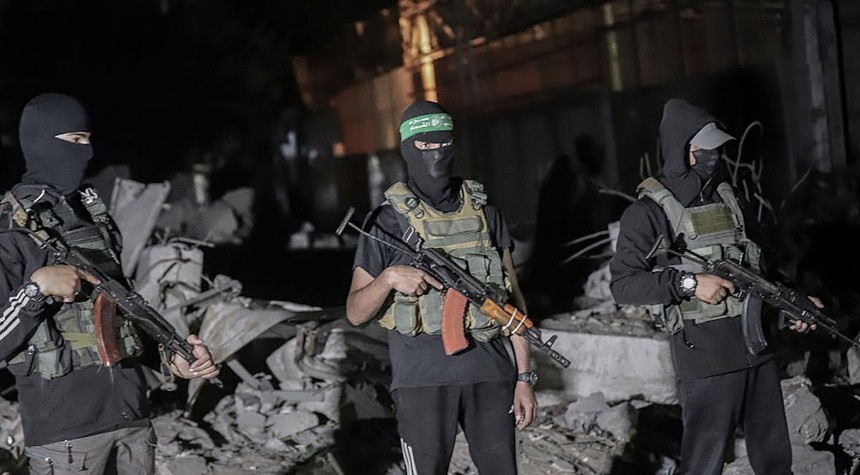
The Trump administration’s plan, negotiated through Arab mediators in Cairo, outlined a phased approach to demilitarization. Under the framework, Hamas and other armed groups in Gaza would surrender weapons over several months, disclose tunnel locations and weapons storage facilities, and permit a new Palestinian technocratic administration to assume control under international supervision. Israeli forces would withdraw only after independent verification confirmed complete demilitarization of specific areas. An international stabilization force would then collaborate with newly formed Palestinian police units to maintain order.
President Trump characterized the arrangement as historic, arguing it would permanently prevent Gaza from serving as a launching point for attacks against Israel while providing the security guarantees Israel requires.
The disagreement highlights the complexity of achieving lasting peace in the region. Netanyahu’s insistence on complete disarmament before any Israeli withdrawal reflects deep skepticism about Hamas’s willingness to honor commitments and concerns about verification mechanisms. Previous agreements have foundered on similar issues of trust and implementation.
The Israeli position also underscores the delicate balance the Trump administration must strike between supporting its closest Middle Eastern ally and crafting arrangements that regional partners and international observers will accept as legitimate and sustainable.
What remains unclear is whether this represents an opening negotiating position from Netanyahu or an insurmountable obstacle to the Trump plan. The prime minister’s acknowledgment that talks continue suggests some flexibility may exist, though his public statements leave little room for compromise on the fundamental sequencing issue.
The stakes extend beyond immediate security concerns. The success or failure of this initiative will likely influence broader regional dynamics, including normalization efforts between Israel and Arab states, and could set the tone for American diplomatic engagement in the Middle East for years to come.
As negotiations continue, the international community watches to see whether American diplomacy can bridge the gap between Israeli security demands and the framework’s vision for Palestinian governance and regional stability.
Related: Belgian Lawmaker Warns of Islamic Fundamentalism Taking Root in American Cities