
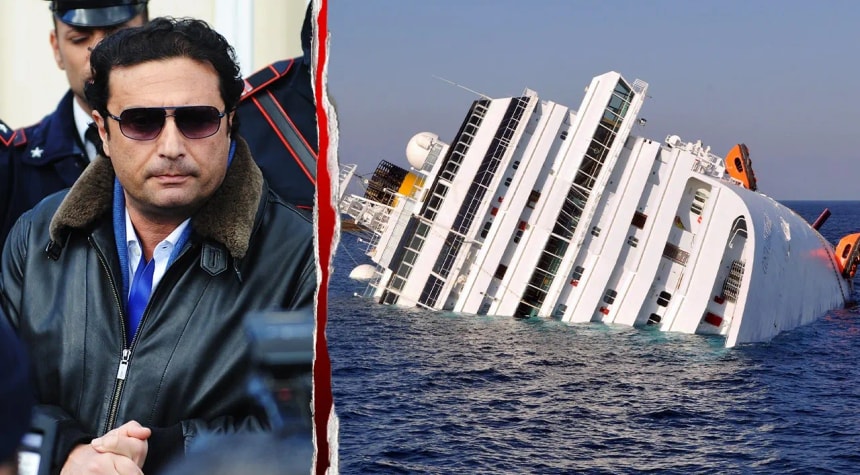
Francesco Schettino, the captain whose reckless navigational decisions led to one of modern maritime history’s most infamous disasters, has been released from prison after serving nine years of a sixteen-year sentence. Italian authorities have transferred him to a supervised probation program where he will complete the remaining seven years of his manslaughter conviction outside prison walls.
The news comes nearly fifteen years after the Costa Concordia, carrying 4,200 passengers and crew members, struck rocks off Giglio Island in the Tuscan coast on January 13, 2012. Thirty-two people lost their lives in the disaster. Schettino’s attorney confirmed that her client now works as an office clerk, must remain home by 10:00 p.m., and cannot leave the province where he resides.
The circumstances surrounding the shipwreck have never been in serious dispute. Captain Schettino deliberately veered from the vessel’s planned course to perform what maritime tradition calls a "sail-by salute," an unauthorized maneuver meant to bring the massive cruise ship close to shore as a gesture of acknowledgment. The decision proved catastrophic when the ship’s hull was torn open by underwater rocks.
What followed became a portrait of failed leadership under crisis. While hundreds of passengers remained trapped aboard the listing vessel awaiting rescue, Schettino abandoned ship. His explanation at the time strained credulity. He told reporters that while helping others evacuate, he tripped and accidentally fell into a lifeboat. Italian prosecutors painted a different picture, presenting evidence that the captain acted with cowardice and repeatedly refused direct orders from the Italian Coast Guard to return to his vessel and coordinate the evacuation.
The case has remained in the public consciousness, most recently through a documentary released this year examining the tragedy. American survivor Nicholas Taliaferro raised questions that continue to trouble those touched by the disaster. He asked whether justice has truly been served, noting that serving a sentence and delivering justice are not necessarily equivalent. For the victims, survivors, and families who have lived with the consequences for nearly fifteen years, that distinction carries profound weight.
The early release follows Italian legal provisions that allow certain prisoners to complete their sentences under supervised conditions outside prison walls. Schettino’s probationary terms impose restrictions on his movement and require regular employment, though critics argue that no amount of supervision can restore what was lost that January night off the Italian coast.
The Costa Concordia disaster stands as a reminder that modern technology and safety systems cannot compensate for human judgment failures at critical moments. The ship itself, one of the largest vessels ever salvaged, was eventually refloated in a complex engineering operation and towed away for scrapping. The human cost, however, remains permanent. Thirty-two families were forever altered by decisions made in the moments before the collision and the chaotic hours that followed.
As Schettino completes his sentence beyond prison walls, the broader questions about accountability and proportionate justice in maritime disasters remain unresolved. That is the way it is.
Related: Trump Warns Iranian Ships Would Be Sunk if Blockade Challenged