
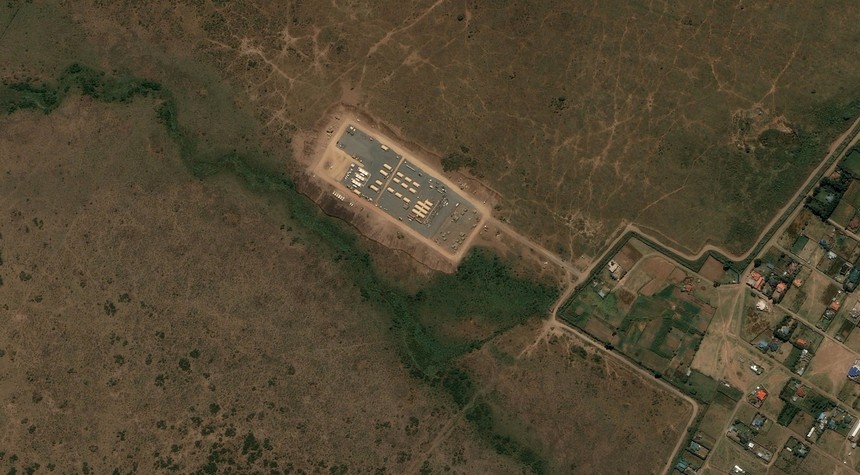
Kenya’s Health Cabinet Secretary Aden Duale appeared before the High Court in Nairobi this week to answer contempt charges after construction continued on an American-backed Ebola quarantine facility despite a standing court order to cease all work.
The facility, planned for construction at Laikipia Air Base with United States support, has become the center of a constitutional dispute that pits public health preparedness against concerns over governmental overreach and due process.
Duale told the court Tuesday that he has now directed “the immediate and complete cessation of any intended construction, site preparations or related activities” related to the quarantine facility. His appearance before the bench marked a significant moment in Kenya’s ongoing struggle to balance executive authority with judicial oversight.
“It was never the intention of the ministry or myself as the Cabinet Secretary to disregard, undermine, or act in defiance of the orders,” Duale stated in court. He emphasized that he would be “the last person to disregard a court order” and “the last person to violate any constitutional order given by any court.”
The High Court accepted the minister’s apology and discharged him with a stern warning. The justices made clear that any future violation of court orders would result in sentencing. The injunction halting construction remains in effect until a scheduled hearing on July 23.
The legal challenge to the facility came from the Katiba Institute, an organization established to safeguard Kenya’s constitution. The institute has raised questions about the process by which the government approved the American-supported project and whether proper constitutional procedures were followed.
Nora Mbagathi, the institute’s executive director, characterized Tuesday’s proceedings as a victory for constitutional governance. She stated that Duale’s court appearance and confirmation that construction has ceased represents “the government’s recognition that they are not above the Constitution.”
The case highlights the complex relationship between international health security cooperation and national sovereignty. While Ebola preparedness remains a legitimate concern for both Kenya and its American partners, the dispute underscores the importance of following established legal procedures, even when pursuing urgent public health objectives.
The quarantine facility was conceived as part of broader international efforts to strengthen disease surveillance and response capabilities in East Africa, a region that has faced periodic health crises. However, the project’s implementation appears to have proceeded without adequate consultation or adherence to Kenya’s constitutional requirements for such undertakings.
The July hearing will determine whether the project can proceed and under what conditions. The outcome will likely set important precedents for how Kenya manages international partnerships while maintaining constitutional safeguards.
This development serves as a reminder that the rule of law must remain paramount, regardless of the perceived urgency of any government initiative. Kenya’s judiciary has demonstrated its independence, and the executive branch has, at least for now, acknowledged the limits of its authority.
Related: Federal Analysis Warns 150 Bird Species at Severe Risk from Deadly Avian Flu Strain