
A nightclub in Mexico City has implemented a pricing structure that charges American patrons nearly $300 for entry while offering significantly reduced rates to citizens of other nations, sparking considerable discussion about the changing dynamics in the Mexican capital.
The establishment, located in the Roma Norte neighborhood, announced its tiered pricing system through social media, garnering substantial attention with over 26,000 endorsements and hundreds of comments, the majority expressing support for the policy. The base cover charge stands at 5,000 pesos, approximately $285. Americans receive no discount from this rate, while citizens of other countries pay just 93% less. Mexican and Latin American patrons receive a 95% discount, paying roughly $20, and students and teachers from these regions pay only $14.
Federico Crespo, the nightclub’s owner, stated plainly that the pricing structure represents a direct response to what he characterizes as deteriorating relations between Mexico and the United States. He cited what he termed “a year of insults directed at us as a country by the United States” and referenced specific policies from the Trump administration that many Mexicans view as hostile.
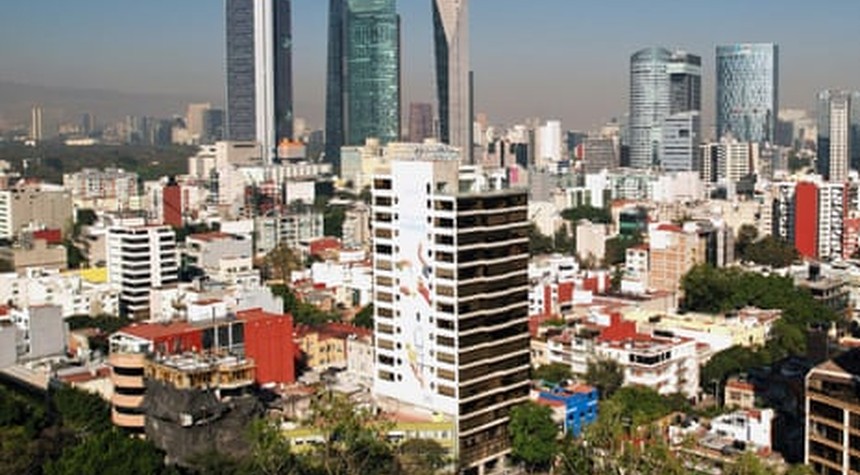
However, the pricing policy extends beyond mere political statement. Crespo indicated that the measure also addresses what he described as the “gentrification and touristification” of Mexico City, a phenomenon that has accelerated markedly in recent years.
The issue at hand reflects a broader tension that has been building in Mexico’s capital. During the coronavirus pandemic, Americans increasingly took advantage of remote work policies to relocate temporarily to Mexico City, where living costs remained substantially lower than in comparable American cities. These so-called digital nomads have contributed to a transformation of certain neighborhoods, particularly Roma and Condesa, where the proliferation of short-term rentals has driven up housing costs and altered the character of local communities.
The consequences have been tangible. In some areas of Mexico City, English is now heard as frequently as Spanish. Rental prices in desirable neighborhoods have increased dramatically, and long-time residents find themselves priced out of communities where their families have lived for generations.
Last year, protesters took to the streets in demonstration, an event that at points turned destructive. Windows of local businesses were shattered, and graffiti appeared on walls with direct messages telling foreigners to leave Mexico.
This situation in Mexico City mirrors similar developments in European cities including Barcelona, Genoa, and Lisbon, where local populations have expressed frustration with the influx of foreign workers who benefit from lower local costs while often not contributing to local tax bases or integrating into existing communities.
Crespo noted that the additional revenue generated from the higher cover charges paid by American patrons is distributed among the nightclub’s workers, who he identified as among those most affected by rising rents and increased cost of living in the capital.
The broader question remains how cities around the world will balance the economic benefits of tourism and foreign workers against the legitimate concerns of local populations facing displacement and cultural erosion. What is clear is that Mexico City has become a focal point for this global conversation, and establishments like this nightclub are taking matters into their own hands.
Whether such measures represent a sustainable solution or merely a symbolic gesture remains to be seen. What cannot be disputed is that they reflect genuine frustration among many Mexico City residents who feel their city is changing in ways they neither requested nor can afford.
Related: Rubio Declares Iran Military Operation Concluded as Diplomatic Efforts Continue