
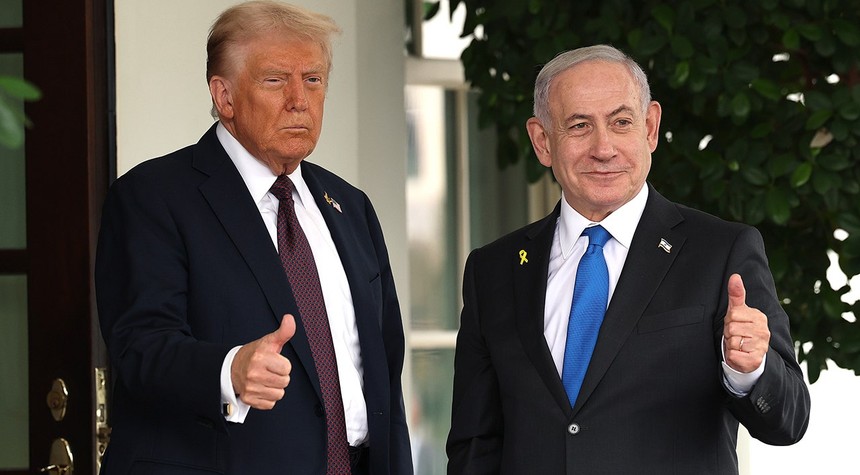
Israeli Prime Minister Benjamin Netanyahu arrived in Washington this week for meetings that may well determine the trajectory of American policy toward Iran and the broader Middle East for years to come. The visit carries weight beyond the usual diplomatic courtesy calls that characterize relations between allied nations.
Netanyahu’s Tuesday meeting with President Donald Trump at the White House comes at what observers describe as a genuine crossroads for the region. The discussions are expected to focus primarily on Iran strategy, with Israel pressing for a more aggressive American posture while the Trump administration weighs its options regarding potential military strikes against the Islamic Republic.
“The decisions made by these two leaders in Washington will have far-reaching repercussions and will determine not only the next chapter in confronting Iran, but whether the region moves toward lasting stability or slips back into dangerous and chaotic escalation,” stated Nitsana Darshan-Leitner, President of the Shurat HaDin Law Center.
The Israeli prime minister’s presence in the nation’s capital serves a dual purpose. Netanyahu came to attend the funeral service of Senator Lindsey Graham of South Carolina, whom he described as a dear friend both to Israel and to himself personally. Ukrainian President Volodymyr Zelenskyy has similarly traveled to Washington for the service, and he too is taking advantage of the opportunity to meet with President Trump.
The convergence of these world leaders in Washington underscores the complex web of international relationships and strategic considerations facing the Trump administration. Israel continues its military operations in Gaza while simultaneously advocating for stronger action against Iranian nuclear ambitions and regional influence.
President Trump spoke warmly of Netanyahu during remarks to reporters, calling him “a great wartime prime minister” and noting their close working relationship. “We worked with each other very closely. And we went through a very big thing. We did a big thing together,” Trump stated.
However, the visit has not proceeded without controversy. Far-left political figures, including New York City Mayor Zohran Mamdani, have called for Netanyahu’s arrest under International Criminal Court warrants. The Israeli leader addressed these remarks directly, confirming his intention not only to meet with President Trump but also to attend the United Nations General Assembly in New York City.
Mamdani’s calls for arrest represent the latest manifestation of deep divisions within American politics regarding Israel’s conduct of military operations and its broader strategic posture. These divisions have grown more pronounced as Israel’s war in Gaza continues, with critics questioning both the humanitarian impact and the long-term strategic wisdom of current Israeli policy.
The substance of the Trump-Netanyahu discussions remains closely guarded, but sources indicate that Iran policy will dominate the agenda. The question of whether the United States will resume major strikes against Iranian targets or pursue alternative strategies represents perhaps the most consequential decision facing both leaders.
As these meetings unfold, the world watches to see whether American and Israeli policy will align on a path forward, or whether differences in approach and timing will create friction between these long-standing allies at a moment when unity of purpose may prove essential to regional stability.
Related: One Dead After Vehicle Plows Into Crowd During Berlin Pride Event