
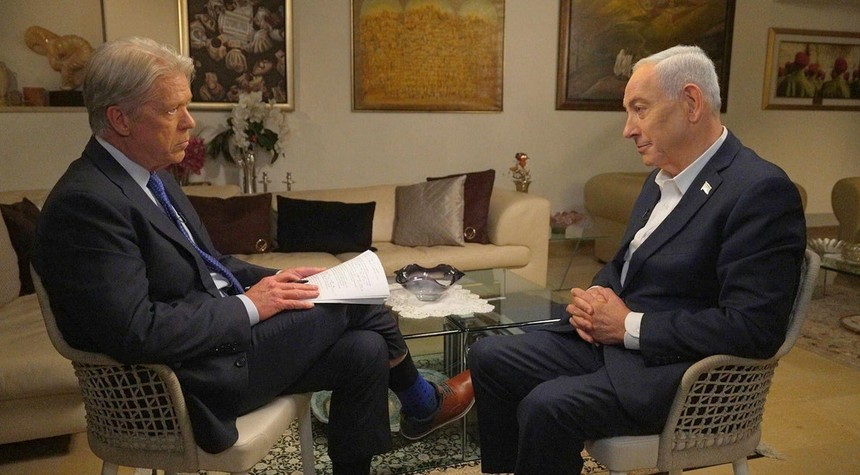
Israeli Prime Minister Benjamin Netanyahu delivered a stark assessment this week regarding the ongoing conflict with Iran, stating unequivocally that despite a fragile ceasefire between the United States and Tehran, the confrontation remains far from resolved.
In a television interview scheduled to air Sunday evening, Netanyahu outlined what he considers the essential requirements for addressing Iran’s nuclear ambitions. The Israeli leader emphasized that Iran’s stockpile of highly enriched uranium must be removed from the country, and its uranium enrichment facilities must be permanently dismantled.
Netanyahu acknowledged recent progress in degrading Iran’s military capabilities, including damage to the country’s network of proxy forces throughout the Middle East and its missile production infrastructure. However, he stressed that substantial threats remain intact and require continued attention from the international community.
The scope of the challenge is considerable. International monitoring agencies estimate that Iran currently possesses approximately 970 pounds of uranium enriched to near weapons-grade levels. This quantity represents a significant advancement toward nuclear weapons capability, a development that Israel has long identified as an existential threat to its national security.
When pressed on the methodology for removing this nuclear material, Netanyahu offered a direct assessment. He indicated that an agreement with Iran would constitute the preferred approach for eliminating the enriched uranium stockpile. However, the Prime Minister declined to elaborate on alternative courses of action should diplomatic efforts fail to produce results.
Netanyahu’s reluctance to establish public timelines or specify military options reflects the delicate nature of the situation. He characterized the mission as tremendously important while maintaining operational security regarding Israel’s strategic planning.
The Israeli position stands in notable contrast to the recent ceasefire arrangement between Washington and Tehran. While American officials have sought to de-escalate tensions in the region, Netanyahu’s comments suggest that Israel views any accommodation with Iran as insufficient unless it addresses the fundamental question of nuclear capability.
This divergence in approach highlights the complex dynamics at play in Middle Eastern security arrangements. The United States must balance its relationship with Israel against broader strategic interests in the region, while Israel maintains that its security concerns cannot be subordinated to diplomatic convenience.
The timing of Netanyahu’s remarks carries particular significance as international discussions continue regarding Iran’s nuclear program. Previous agreements aimed at constraining Tehran’s atomic ambitions have proven contentious and, in Israel’s view, inadequate to address the genuine security threats posed by a nuclear-capable Iran.
As this situation develops, the international community faces difficult questions about enforcement mechanisms, verification protocols, and the consequences of diplomatic failure. Netanyahu’s interview makes clear that from Israel’s perspective, the current status quo remains unacceptable and that substantive action, whether through agreement or other means, will be necessary to resolve the nuclear question definitively.
The coming weeks will likely prove crucial in determining whether diplomatic channels can produce meaningful progress or whether the region faces renewed escalation in this protracted conflict.
Related: Nigel Farage’s Reform UK Delivers Crushing Blow to Starmer’s Labour Government