
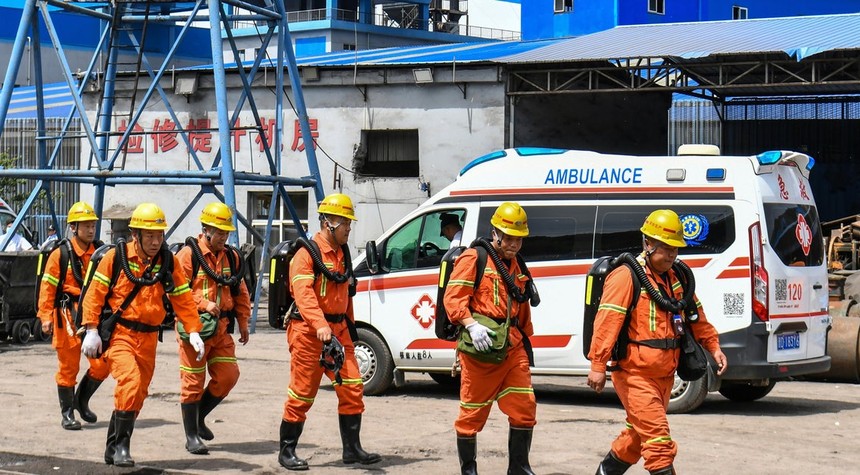
A catastrophic gas explosion at a coal mine in northern China has claimed the lives of at least 90 workers, marking the deadliest mining accident the nation has witnessed in recent years. The tragedy unfolded Friday evening at the Liushenyu coal mine in Changzhi city, located in Shanxi province, a region long known for its extensive coal mining operations.
The scale of the disaster is substantial. At the time of the explosion, 247 workers were on duty deep within the mine’s passages. As of Saturday afternoon, nine miners remained unaccounted for, while more than 120 individuals had been transported to area hospitals for treatment. Many of the injured suffered from exposure to toxic gases released during the blast, a grim detail that underscores the dangerous conditions these workers faced in their final moments on the job.
The cause of the explosion remains under investigation, though eyewitness accounts paint a harrowing picture of the moments before disaster struck. Wang Yong, one of the hospitalized miners, described smelling sulfur reminiscent of firecrackers before witnessing smoke fill the tunnels. His account, delivered from his hospital bed, captured the chaos that ensued. He warned his fellow workers to flee, watching helplessly as others succumbed to the toxic fumes before losing consciousness himself.
Rescue operations have mobilized hundreds of personnel, including specialized rescue teams and medical staff dispatched to the site. However, these efforts have been complicated by a troubling discovery. The blueprints provided by the coal mine operator did not correspond with the actual underground layout, a discrepancy that has significantly hampered rescue attempts and raises serious questions about operational oversight and regulatory compliance.
Chinese President Xi Jinping has personally intervened, calling for maximum effort in rescuing the missing workers. He has also demanded what officials describe as proper handling of the accident’s aftermath and a thorough investigation into its causes, with accountability to be pursued under Chinese law. In response, local authorities have already placed individuals responsible for the mining company under control, according to the local emergency management bureau.
The Liushenyu mine, operated by the Shanxi Tongzhou Coal and Coke Group, maintains an annual production capacity of 1.2 million tons. Significantly, China’s National Mine Safety Administration had previously identified this facility as disaster-prone, placing it on a national watch list of concerning operations.
This tragedy arrives at a moment when China’s industrial safety record continues to draw international scrutiny. The nation’s rapid economic development over recent decades has often come at a steep human cost, particularly in extractive industries where safety protocols have historically lagged behind production demands. Mining accidents, while less frequent than in previous decades, remain a persistent challenge for Chinese authorities attempting to balance energy production needs with worker safety.
The investigation ahead will likely examine not only the immediate technical failures that led to Friday’s explosion but also the broader systemic issues that allowed a disaster-prone facility to continue operations with inaccurate safety documentation. For the families of the 90 confirmed dead and the nine still missing, such answers cannot come soon enough.
Related: Pentagon Halts Taiwan Military Equipment Sales During Iran Conflict