
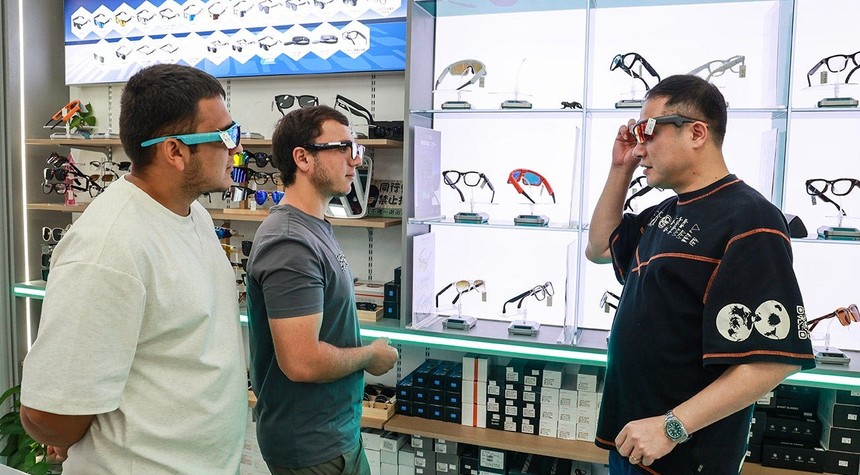
Norway is preparing legislation that would prohibit the use of artificial intelligence-enabled smart glasses in numerous public locations, marking what could become one of Europe’s most significant responses to emerging surveillance technology concerns.
The Norwegian Ministry of Digitalization and Public Governance announced plans to bring the proposed restrictions before the Storting, the nation’s parliament, in the coming weeks. If enacted, the temporary ban would apply to beaches, parks, museums, shopping centers, and public events—locations frequented by both Norwegian citizens and international visitors.
The technology in question involves smart glasses equipped with cameras and microphones capable of capturing photographs, video footage, and audio recordings. Norwegian officials have expressed particular concern about the covert nature of these devices, which can record individuals without their knowledge or consent.
“We do not want a society where people are concerned about hidden sound recordings, photography and filming in places and in situations where they are used to being without being monitored,” stated Torgeir Micaelssen, Norway’s Minister of Digitalization and Public Administration.
The proposed legislation represents a measured response to technology that has rapidly advanced beyond the regulatory frameworks of most nations. While smart glasses have been marketed primarily as consumer convenience devices, their capacity for undetected surveillance has raised alarm among privacy advocates and government officials alike.
Norway’s approach reflects broader European sensitivities regarding personal privacy and data protection, concerns that have historically been addressed more aggressively on the continent than in the United States. The European Union’s General Data Protection Regulation has set a precedent for stringent privacy protections, and Norway, though not an EU member, has often aligned its policies with European standards.
The timing of this proposal coincides with increasing global scrutiny of artificial intelligence applications and their implications for individual liberty. Unlike traditional cameras or recording devices, AI-enabled glasses can process and analyze information in real time, potentially identifying individuals through facial recognition or other biometric technologies.
For travelers planning visits to Norway, the proposed restrictions could require adjustments to their technology use. While the ban has not yet taken effect and requires parliamentary approval, visitors should remain attentive to developments as the legislation progresses through Norway’s democratic process.
The temporary nature of the proposed ban suggests Norwegian officials recognize the need for careful deliberation regarding permanent policy. This measured approach allows for assessment of the technology’s evolution and its actual impact on public life, rather than implementing sweeping permanent restrictions based on current capabilities alone.
As nations worldwide grapple with balancing technological innovation against individual privacy rights, Norway’s legislative effort may serve as a template for other countries confronting similar challenges. The outcome of this proposal will be watched closely by privacy advocates, technology companies, and governments seeking to navigate the complex intersection of personal freedom and public safety in an increasingly digital age.
Related: FBI Arrests California Woman Accused of Spying on Taiwan President’s Son for Chinese Government