
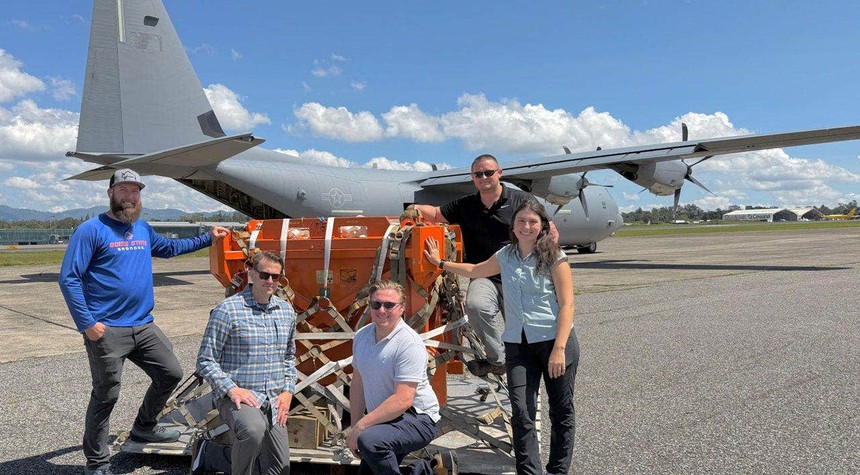
The United States has successfully removed highly radioactive medical material from Guatemala, concluding an operation that began last May to prevent terrorists from acquiring components for a radiological weapon.
The National Nuclear Security Administration announced Thursday that American specialists working alongside Guatemalan officials secured a cobalt-60 source previously housed in a disused medical radiation device. The radioactive component has been transported to secure storage facilities within the United States.
Cobalt-60 serves legitimate medical purposes in cancer treatment, administered through specialized teletherapy machines. However, in sufficient quantities and outside proper security protocols, this same material presents a significant national security threat. The administration emphasized that the quantity removed from Guatemala possessed the radioactive potency necessary to construct what defense officials term a “dirty bomb,” a conventional explosive designed to disperse radioactive contamination across populated areas.
Specialists from Los Alamos National Laboratory in New Mexico led the technical aspects of the removal operation. The teletherapy machine itself was of American origin, though it had been decommissioned from medical use. Guatemalan authorities provided essential support throughout the operation, including transportation logistics and physical security measures during the sensitive extraction and transfer process.
The operation reflects the current administration’s stated commitment to preventing adversaries and terrorist organizations from obtaining chemical, biological, radiological, or nuclear materials. The 2026 Counterterrorism Strategy explicitly identifies such preventive measures as a critical component of American national security policy.
“Our mission is simple: protect American citizens, secure our borders, and ensure our adversaries never get their hands on materials that could harm our country,” stated Matthew Napoli, deputy administrator for the National Nuclear Security Administration’s Office of Defense Nuclear Nonproliferation. He characterized the operation as demonstrating the productive working relationship between American and Guatemalan security agencies.
Guatemala’s National Centre of Radioactive Wastes collaborated with the nation’s Ministry of Energy and Mines to facilitate the operation. Mayra Villatoro, head of the Unit of Technical Laboratories at Guatemala’s Ministry of Energy and Mines, acknowledged that the removal eliminated a danger to both the local community and the nation.
The successful completion of this operation underscores ongoing concerns about disused medical equipment containing radioactive materials. As medical technology advances and older equipment falls out of service, the secure disposal or repatriation of radioactive components remains an international security challenge. Developing nations often lack the infrastructure or resources to maintain perpetual security over such materials, creating potential vulnerabilities that hostile actors might exploit.
This removal represents one component of a broader international effort to locate and secure radioactive sources worldwide. The cooperation between American nuclear security specialists and Guatemalan authorities demonstrates the type of bilateral partnership necessary to address threats that recognize no borders. As the administration continues emphasizing homeland security and counterterrorism measures, such operations are likely to remain a priority in American foreign policy and defense strategy.
Related: Death Toll Rises as Flash Floods Ravage Nepal and Chinese Tibet