
The Pentagon announced Thursday that Defense Secretary Pete Hegseth and General Dan Caine, chairman of the Joint Chiefs of Staff, will conduct a news conference Friday morning at 8 a.m. Eastern Time regarding Operation Epic Fury, as tensions with Iran continue to affect global energy markets and maritime commerce.
Oil futures climbed Wednesday amid growing uncertainty over the United States-Iran conflict, with both nations now actively contesting control of the Strait of Hormuz, through which approximately one-fifth of the world’s petroleum passes. The international benchmark Brent crude reached nearly $107 per barrel for June deliveries by Wednesday evening, marking a 1.5 percent increase and approaching the highest levels observed since the brief ceasefire between Washington and Tehran commenced just over two weeks ago. The American benchmark West Texas Intermediate similarly rose 1.5 percent to just over $97 per barrel.
The strategic waterway has become a focal point of the conflict. Iranian forces have reportedly attacked and boarded at least two commercial vessels on Wednesday, while American forces have conducted their own boarding operations of Iran-linked ships in recent days. The United States is currently enforcing a blockade of Iranian ports, with President Trump maintaining that American forces control the strait.
Data from maritime tracking firm Kpler indicates that transits through the Strait of Hormuz remain significantly below prewar levels, though some improvement occurred following the temporary truce that began in early April.
President Trump addressed reporters Thursday, dismissing speculation about the potential use of nuclear weapons against Iran. When questioned directly about nuclear options, the president characterized the inquiry as inappropriate. He emphasized that conventional military operations have proven effective, stating that nuclear weapons should never be employed by any nation.
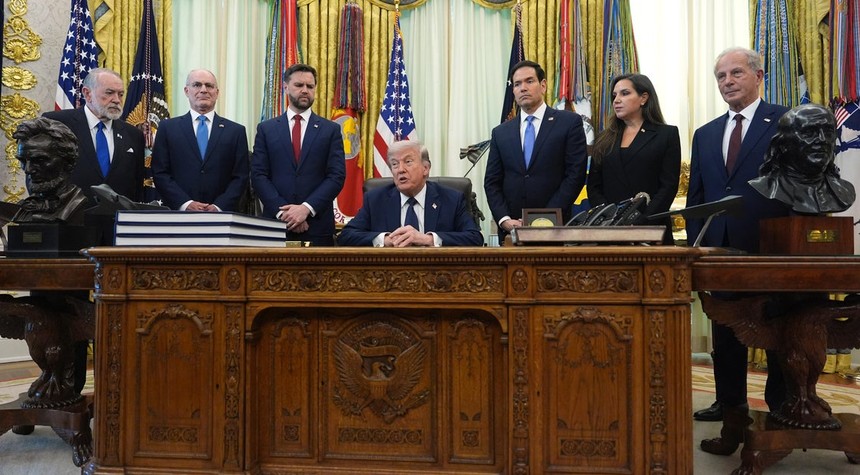
The president also outlined conditions for any potential settlement with Tehran, specifically demanding that Iran cease its financial support of Hezbollah, the Lebanese militant organization. Trump characterized this requirement as non-negotiable during an Oval Office gathering that included administration officials and the ambassadors of Lebanon and Israel. The meeting coincided with the announcement of a three-week extension to the existing ceasefire between Israel and Lebanon.
Hezbollah, which the United States government has designated as a terrorist organization, has functioned as an Iranian proxy force for decades. Tehran had previously sought guarantees that Israel would suspend military operations against Hezbollah as a precondition for any ceasefire agreement with Washington.
The evolving situation underscores the complex interplay between military operations, diplomatic negotiations, and global economic stability. Friday’s Pentagon briefing is expected to provide additional clarity on American military objectives and the current state of operations in the region. As these events unfold, international observers continue to monitor both the humanitarian implications and the broader geopolitical consequences of the conflict, particularly its impact on energy security for nations dependent on Middle Eastern oil exports.
Related: Trump Administration Considers Relocating Afghan Allies to Congo Amid Policy Reversal