
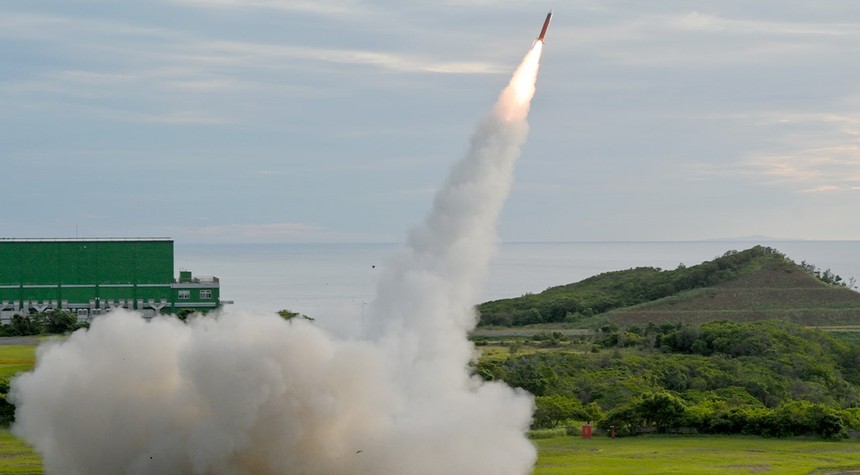
The recent conflict with Iran has consumed approximately half of America’s Patriot missile interceptor inventory in just 39 days of combat operations, according to a comprehensive analysis from the Center for Strategic and International Studies. This rapid depletion raises profound questions about the nation’s preparedness for sustained military engagement with peer adversaries.
Lt. Gen. Keith Kellogg has emphasized the strategic significance of controlling the Strait of Hormuz and maintaining financial pressure on Tehran. Yet the tactical success of American operations has come at a considerable cost to the nation’s munitions reserves.
The CSIS report reveals that U.S. forces expended more than 850 Tomahawk cruise missiles and over 1,000 Joint Air-to-Surface Standoff Missiles during the campaign. Patriot interceptor usage is estimated between 1,060 and 1,430 missiles, representing more than half of the prewar stockpile available to American forces.
These figures represent estimates derived from Pentagon budget documents, historical procurement data, and battlefield reports. Exact stockpile numbers remain classified for national security purposes.
The drawdown of advanced interceptor systems proved equally severe. American forces deployed between 190 and 290 Terminal High Altitude Area Defense interceptors, each carrying a price tag of approximately $15.5 million. The SM-3 interceptor, among the most sophisticated and expensive weapons in the American arsenal at roughly $28.7 million per unit, saw usage estimates ranging from 130 to 250 missiles.
The Navy’s SM-6 missile, valued at approximately $5.3 million each, experienced significant depletion with estimates suggesting between 190 and 370 units fired during the conflict. The Army’s newer Precision Strike Missile, costing around $1.6 million per unit, saw more limited use with approximately 40 to 70 missiles deployed.
These expenditures occurred against an adversary that, while formidable in regional terms, does not possess the technological sophistication or industrial capacity of nations such as China. Defense analysts have long warned that American stockpiles of precision munitions were insufficient for large-scale conflict with a peer adversary. The Iran campaign has made that strategic vulnerability more acute.
A future conflict in the Western Pacific would likely demand sustained employment of these same high-end weapons systems. The challenge of maintaining adequate missile defense while conducting long-range strike operations against a sophisticated opponent would strain American capabilities under current stockpile levels.
Pentagon chief spokesperson Sean Parnell rejected characterizations of critical shortages. He stated that America’s military remains the most powerful in the world with adequate resources to execute presidential directives at times and places of the nation’s choosing. Secretary Hegseth has noted that less than ten percent of American naval power was required for operations against Iran.
The question facing military planners is not whether American forces possess sufficient strength to prevail in current operations, but whether the industrial base can replenish these sophisticated weapons systems rapidly enough to maintain readiness for potential future conflicts. The production timelines for advanced interceptors and precision strike weapons extend across multiple years, creating strategic vulnerabilities that adversaries may seek to exploit.
Related: Twenty Thousand Seafarers Remain Stranded as Strait of Hormuz Crisis Enters Second Month