
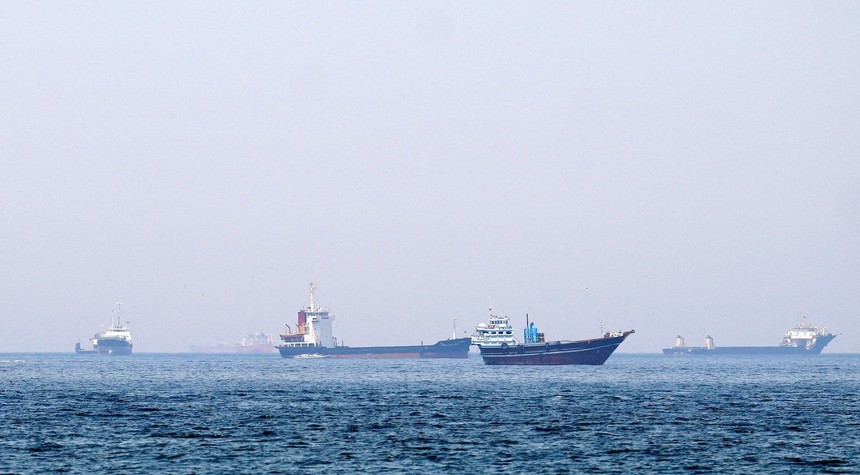
Twenty thousand seafarers aboard approximately two thousand vessels remain stranded in the Persian Gulf tonight, caught in a maritime crisis that has effectively closed one of the world’s most critical shipping lanes for nearly fifty days.
The Strait of Hormuz, through which roughly twenty percent of the world’s crude oil and refined petroleum products normally pass, has been at a virtual standstill since February 28, when the conflict between the United States, Israel, and Iran began. What followed was a cascade of decisions by vessel owners and insurance companies that has left thousands of merchant mariners in a precarious position, waiting for a passage that may not materialize anytime soon.
According to the International Maritime Organization, the crisis began the moment insurance companies withdrew coverage for ships operating in the region. Without insurance, commercial vessels cannot legally operate, and the narrow waterway that connects the Persian Gulf to the Gulf of Oman became, in effect, impassable.
One seafarer, speaking on condition of anonymity for safety reasons, described the situation in stark terms. The individual has been waiting to cross since the conflict’s first day and reported witnessing missiles overhead, drones and military aircraft passing daily, and vessels being struck in the surrounding waters.
“Uncertainty is our biggest fear,” the seafarer stated. “Not knowing if we are going to get out of this situation alive is our main concern, because it doesn’t matter where you are in the Gulf. There is no safe place here.”
The dangers are multifaceted. Reports of sea mines, whether confirmed or not, have created a psychological barrier as potent as any physical obstruction. In such a confined waterway, the threat of drones, unmanned vehicles, and ballistic missiles presents challenges that even substantial military protection may not adequately address.
The economic consequences extend far beyond the Gulf itself. Global energy markets have absorbed severe shocks as the closure continues. Asian economies, which depend heavily on Gulf oil exports, face mounting pressure as the energy crisis deepens with each passing day.
High-level negotiations between Iranian and American officials continue, but the fundamental reality remains unchanged. The strait is closed, and the perceived threat of attack appears sufficient to keep it that way regardless of diplomatic progress.
Some seafarers have taken matters into their own hands. One mariner recently informed his ship’s master that he would not sail through the strait under any circumstances, citing safety as the paramount concern. This sentiment reflects a growing unease within the maritime industry about the disconnect between diplomatic assurances and the military realities on the ground.
Joshua Hutchinson, chief commercial officer at maritime risk agency Ambrey, noted that vessel owners and operators find themselves in an extremely vulnerable position, caught between the promises of diplomatic communication and the unpredictability of military actions.
The situation represents a stark illustration of how regional conflicts can have immediate and far-reaching global consequences. As negotiations continue and the world watches, twenty thousand individuals remain in limbo, their fate tied to decisions being made in distant capitals while they wait in what has become one of the most dangerous waterways on Earth.
Related: Lawyer for Detained American Urges Diplomatic Action as Iran Holds Six US Citizens