
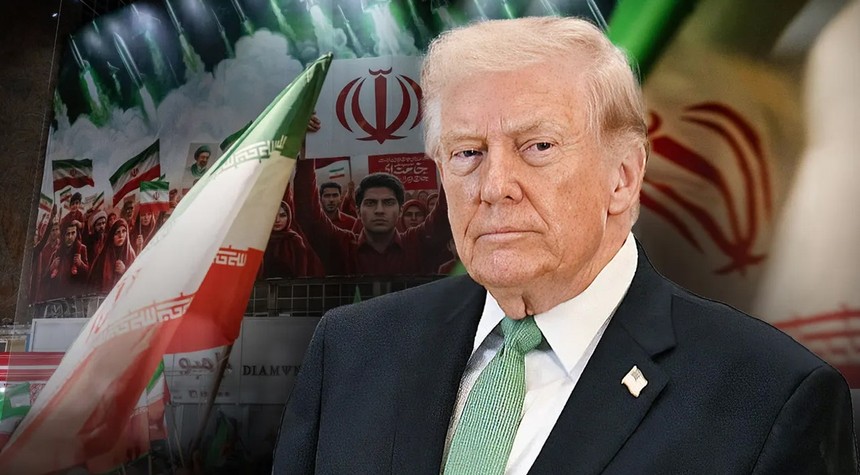
President Donald Trump announced Wednesday what he termed an “economic D-Day” against Iran, threatening severe consequences for any nation that provides financial or logistical support to the Islamic Republic.
The president’s declaration, posted on social media, represents an escalation of existing sanctions and introduces secondary penalties targeting third-party nations. The administration’s strategy aims to achieve complete economic isolation of Tehran through measures that extend far beyond traditional diplomatic pressure.
“This will be economic warfare and isolation on an unprecedented scale,” Trump stated, characterizing the initiative as the most comprehensive economic operation ever directed at a single nation. The president specifically warned that countries permitting their financial institutions, businesses, airports, or government entities to assist Iran will face what he described as tremendous economic consequences.
The administration’s focus extends to multiple avenues of potential Iranian economic activity. Oil smuggling operations, currency swap arrangements, cash transfer mechanisms, exchange houses, ship registries, and front companies all fall within the scope of prohibited activities. Trump’s message to nations engaged in such transactions was direct and unambiguous.
This announcement arrives as Washington maintains a naval blockade and pursues a broader pressure campaign designed to force Iranian capitulation. The president assessed Iran’s military capabilities as severely degraded, stating that the nation’s naval and air forces have been destroyed and production facilities reduced to rubble. He characterized Iran’s currency as worthless and described the regime as hanging by a thread.
The Iranian government has responded to the intensifying pressure with criticism of American tactics. A Foreign Ministry spokesperson accused Washington of reflexively turning to economic sanctions when diplomatic efforts prove unsuccessful, characterizing this approach as an addiction. The statement, carried by regional media, reflects Tehran’s position that the United States relies excessively on economic coercion rather than negotiation.
The broader context of this confrontation includes Iran’s relationships with neighboring nations and major powers. The administration’s warning about secondary sanctions appears designed to disrupt Tehran’s remaining economic partnerships and trade relationships, particularly with countries that have maintained commercial ties despite previous sanction regimes.
The reference to D-Day, the Allied invasion of Normandy that proved decisive in the European theater of World War II, signals the administration’s view of this economic campaign as a potentially conclusive action. Trump called upon allies to stand with the United States in what he described as an effort to isolate and defeat the Iranian threat.
The president characterized Iranian leadership as maniacs on the ropes, suggesting the regime faces an existential crisis. He asserted that these measures will cripple Tehran’s ability to project what he termed terror worldwide.
The effectiveness of this comprehensive sanctions approach will depend substantially on international cooperation. Historical sanctions regimes have achieved varying degrees of success based on the willingness of major economies to enforce restrictions and accept potential economic costs associated with severing commercial relationships.
The announcement represents a significant moment in American foreign policy toward Iran, one that will test both the resolve of the administration and the cohesion of international partnerships in confronting Tehran’s regional activities.
Related: US Navy Faces Critical Ship Shortage as Deployments Exceed Safe Limits