
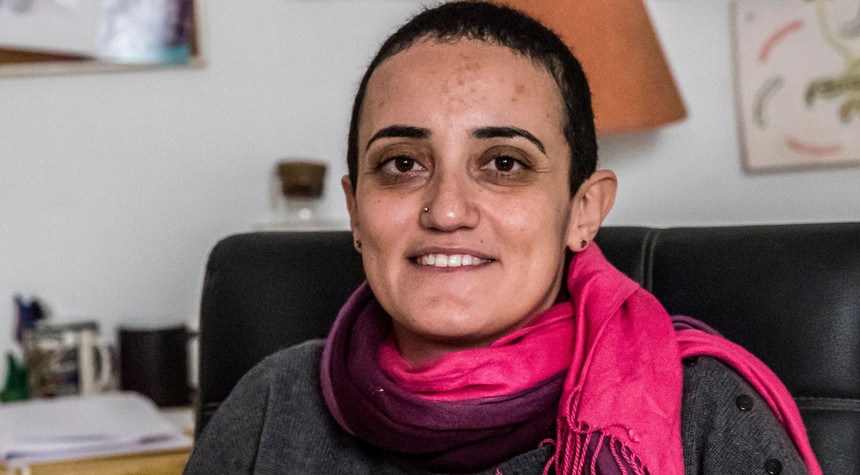
The editor-in-chief of the independent Egyptian news outlet Mada Masr was detained for several hours Tuesday after a Cairo court convicted her of operating an unlicensed website and ordered the publication’s closure, marking another troubling chapter in Egypt’s deteriorating press freedom environment.
Lina Attalah was released only after her organization paid a fine of three million Egyptian pounds, approximately fifty-three thousand dollars, the maximum penalty allowed under the law. The New Cairo Misdemeanours Court handed down both the fine and the closure order, charges which Attalah had firmly rejected.
The facts of this case warrant careful examination. Mada Masr, founded in 2013, has repeatedly sought an operating license from Egypt’s Supreme Media Regulatory Council since new media legislation was enacted in 2018. According to press freedom organizations, these applications were either formally rejected or left unanswered by authorities, placing the publication in an impossible legal position.
During Tuesday’s court proceedings, Judge Mohammed Mubarak ordered the courtroom cleared of all observers except Attalah, her eight-person legal team, and one human rights advocate. Security personnel then entered the chamber before the verdict was announced, an unusual procedure that raises questions about the trial’s transparency.
This conviction represents only the latest in what human rights organizations describe as years of harassment against Attalah personally. She has faced six separate criminal investigations related to Mada Masr’s reporting. Last week, prosecutors summoned her for questioning over allegations of publishing false news, an investigation that reportedly centered on the website’s coverage of prison protests across Egypt and correspondence regarding its licensing status.
The broader context cannot be ignored. Egypt currently ranks among the world’s leading jailers of journalists, with twenty-five media professionals behind bars according to international press freedom monitors. This places the nation in the company of authoritarian regimes globally, a distinction incompatible with Egypt’s historical role as a cultural and intellectual leader in the Arab world.
President Abdel Fattah al-Sisi has presided over what human rights organizations characterize as an unprecedented suppression of dissent since leading the military’s removal of former President Mohammed Morsi in 2013. Tens of thousands have been detained in the years since, including not only Muslim Brotherhood officials and supporters but also secular activists, liberal voices, academics, and journalists.
The timing of this verdict is particularly concerning. Just weeks ago, six journalists working for the independent fact-checking organization Matsda2sh were charged with membership in the outlawed Muslim Brotherhood, charges that carry severe penalties under Egyptian law.
International human rights organizations have condemned the verdict against Attalah and Mada Masr. The publication has served as a vital source of independent reporting in a media environment increasingly dominated by state-aligned outlets.
The American interest in Egyptian press freedom extends beyond abstract concerns about human rights. Egypt remains a significant recipient of United States military aid and serves as a crucial regional partner on matters of security and stability. The health of its civil society institutions, including an independent press, directly affects the country’s long-term stability and its capacity to address legitimate grievances through peaceful means.
As this case demonstrates, the space for independent journalism in Egypt continues to narrow, raising fundamental questions about the direction of one of America’s most important partners in the Middle East.
Related: Brazil’s Lula Secures Victory Amid Election Irregularity Claims