
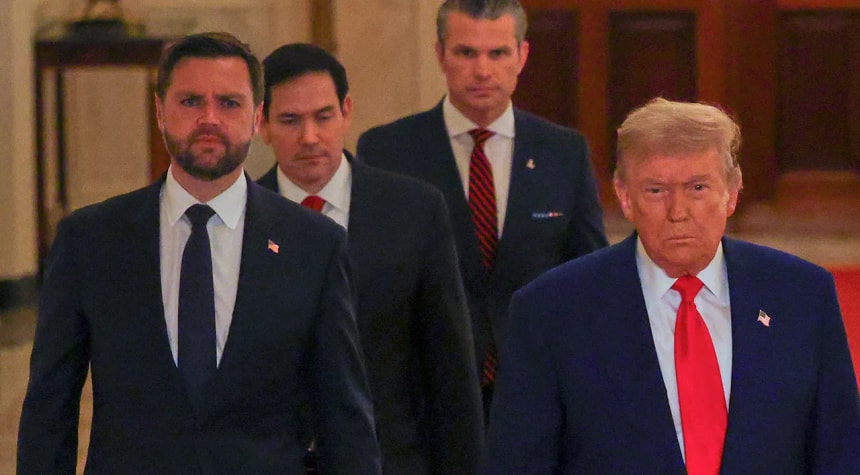
Secretary of State Marco Rubio has mounted a vigorous defense of the Trump administration’s decision to initiate military action against Iran, characterizing the intervention as essential to preventing Tehran from acquiring nuclear weapons capability, despite acknowledging its apparent contribution to Republican losses in last week’s midterm elections.
Speaking to reporters, Rubio confronted directly the political fallout from the campaign, which Vice President JD Vance identified last week as a significant factor in the party’s electoral setbacks. The Secretary of State’s remarks represent the administration’s most comprehensive public explanation of its rationale for the military action launched earlier this year.
"He addressed it even though oftentimes the right thing to do for the country, confronting difficult challenges for the security of our country, doing it isn’t necessarily popular, but necessary," Rubio stated, framing the decision as one born of strategic imperative rather than political calculation.
President Trump has shown no inclination to retreat from his position, telling reporters Sunday that history would vindicate the intervention. "I can tell you if I had it to do again, this historically, for history, will go down as one of the best things we ever did," the President said. "Because if they ever had a nuclear weapon, they would blow up the world."
The President’s comments reflect the administration’s core argument that the existential threat posed by a nuclear-armed Iran justified immediate action, regardless of domestic political considerations. Trump has repeatedly emphasized since Election Day that he faced no viable alternative to military intervention given the intelligence assessments of Iran’s nuclear program advancement.
Nevertheless, the President indicated in a weekend interview that the administration currently has no plans to expand the scope of military operations. Diplomatic channels between Washington and Tehran remain open, though Rubio characterized the negotiations as largely unproductive.
"I wouldn’t say we’re at the verge of a breakthrough," the Secretary of State acknowledged. "Right now, it hasn’t been very productive because the Iranian demands are simply not just unacceptable, but in some cases outrageous and ridiculous and really not realistic."
The diplomatic impasse comes amid renewed tensions following Iran’s announcement that it would abandon its self-imposed ballistic missile range restrictions. Islamic Revolutionary Guard Corps spokesperson Brigadier General Hossein Mohebbi confirmed Sunday that Tehran would no longer observe its previous limitation of approximately 1,240 miles for ballistic missile range.
That declaration followed closely on the heels of a new United States military task force established November seventh, designed to interdict Iranian weapons shipments and curtail Tehran’s illicit trade activities. Iranian officials also threatened to deploy newly developed domestic weapons systems, though specifics regarding these capabilities remain unclear.
The situation presents the administration with a complex challenge. On one hand, officials maintain that preventing Iranian nuclear weapons capability represents a vital American national security interest that transcends electoral politics. On the other, the midterm results suggest a significant portion of the American electorate remains unconvinced that military intervention was warranted or necessary.
The tension between these competing considerations, between immediate security threats and democratic accountability, forms the central dilemma now facing American policymakers as they navigate both continued military operations and simultaneous diplomatic efforts.
What remains evident is that this administration has made its calculation, wagering that the American people will ultimately judge the Iran intervention not by its immediate political consequences, but by whether it successfully prevented a grave threat to international security. Only time will reveal whether that wager proves correct.
Related: Hundreds of Migrants Enter Mexico as U.S. Political Landscape Shifts