
Good evening. In what may prove to be a significant diplomatic breakthrough, both Russia and Ukraine have accepted an American proposal for trilateral negotiations aimed at ending the war that has ravaged Eastern Europe for years. White House officials confirmed the development following separate meetings conducted by American envoys in Oslo and St. Petersburg this week.
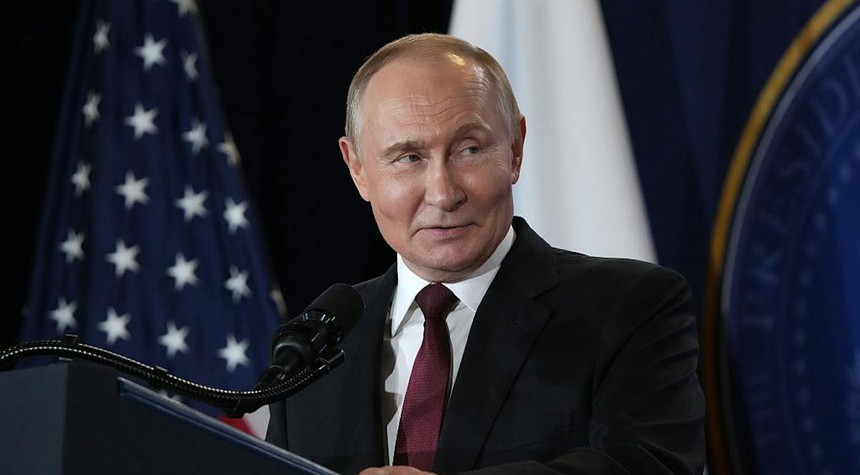
Special Envoy Steve Witkoff and Jared Kushner traveled to the Russian city of St. Petersburg on Wednesday, where they met with Russian President Vladimir Putin to advance the Trump administration’s peace initiative. Russian presidential envoy Kirill Dmitriev and foreign policy aide Yuri Ushakov participated in the discussions alongside the American delegation.
The diplomatic choreography unfolded across two capitals. Ukrainian officials accepted the American proposal in Oslo on Tuesday, followed by Russian acceptance in St. Petersburg the following day. According to White House officials, the proposed talks would occur at the technical level among representatives from all three nations.
Russian officials indicated that Putin has agreed to resume trilateral negotiations, with discussions potentially beginning in principle after November 10. The American envoys briefed Putin on their prior conversations with Ukrainian President Volodymyr Zelenskyy, creating what officials described as a coordinated diplomatic framework.
The scope of the discussions extends beyond immediate ceasefire considerations. According to administration officials, the envoys presented Putin with a comprehensive post-war economic and prosperity plan, along with proposals concerning European security architecture. These elements suggest the administration is pursuing not merely an end to hostilities, but a sustainable framework for long-term stability in the region.
White House officials characterized the atmosphere in both Oslo and St. Petersburg as constructive, noting what they termed “a shared determination to achieve a comprehensive and durable peace.” While acknowledging that significant work remains ahead, the administration expressed cautious optimism about the trajectory of the negotiations.
The diplomatic mission yielded an additional achievement. During their meeting with Putin, the American envoys secured the release of Stephen Hubbard, an American citizen, Air Force veteran, and retired teacher who had been detained in Russia for more than four years on mercenary charges. President Trump announced that Putin agreed to release Hubbard following a direct telephone conversation between the two leaders last week.
Hubbard represents the last American officially designated as wrongfully detained by Russia and marks the third American prisoner released by Moscow during Trump’s second term. Significantly, the administration emphasized that no reciprocal exchange or concessions were required for Hubbard’s release, describing this as an unprecedented gesture from the Russian government.
The freed American spoke with President Trump by telephone while traveling home to reunite with his family.
This diplomatic initiative represents the most substantive progress toward ending the conflict since hostilities began. The willingness of both warring parties to accept American mediation suggests that conditions may finally exist for serious negotiations. Whether these preliminary agreements translate into meaningful peace talks, and ultimately into a resolution of the conflict itself, remains to be determined.
The international community will be watching closely as these technical-level meetings take shape in the coming weeks. The stakes extend well beyond the immediate parties involved, touching upon fundamental questions of European security, international law, and the global balance of power.
And that is the way it is.
Related: Oil Prices Surge Past $110 Per Barrel as Iran Conflict Intensifies