
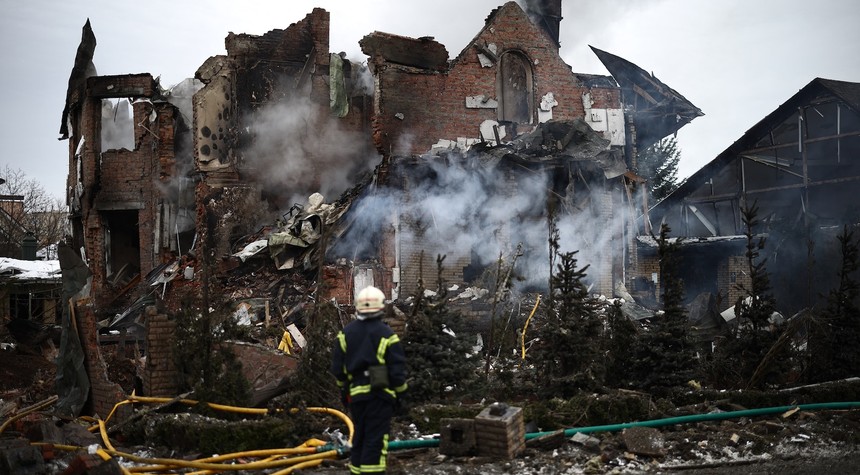
Russia conducted one of its most intensive aerial bombardments of the war overnight, launching nearly 300 drones and 50 missiles against Ukrainian targets across multiple regions. Ukrainian officials report one fatality and at least eight wounded, including a child, in strikes that primarily targeted the nation’s energy infrastructure.
Ukrainian President Volodymyr Zelenskyy confirmed that the assault focused predominantly on energy facilities, though residential areas sustained damage as well. Railway infrastructure was also struck in what appears to be a coordinated effort to cripple Ukraine’s civilian and military logistics capabilities.
The capital city of Kyiv and its surrounding areas bore significant damage, including the Boryspil district where a church was hit. Additional strikes were reported in the Dnipro, Kirovohrad, Mykolaiv, Odesa, Poltava, and Sumy regions, demonstrating the geographic scope of Russia’s offensive operations.
Ukraine’s air defense systems demonstrated considerable effectiveness, intercepting 274 of the 297 drones and 43 of the 50 missiles launched. These figures represent a success rate exceeding ninety percent for drone interception and eighty-six percent for missiles, though the sheer volume of incoming projectiles ensured some would penetrate defensive screens.
The overnight barrage represents merely the latest chapter in an escalating campaign of aerial warfare. According to Ukrainian officials, Russia has launched more than 1,300 attack drones, over 1,400 guided aerial bombs, and 96 missiles of various types in the past week alone. This sustained tempo of operations suggests Moscow has committed substantial resources to maintaining pressure on Ukrainian infrastructure and morale.
Ukrainian Prime Minister Yulia Svyrydenko issued a stark warning about the nature of the conflict. Russia’s campaign of terror will not cease on its own, she stated, calling upon international partners to move beyond statements of support toward concrete action. Specifically, she urged measures to eliminate the energy revenues that continue financing Russia’s military operations.
Russian officials reported their own defensive actions, claiming destruction of 86 Ukrainian drones over Russian territory during the same period. In the Belgorod region, a drone strike on a vehicle injured two people, including a three-year-old child, according to regional governor Vyacheslav Gladkov.
These developments unfold against a backdrop of potential diplomatic movement. Steve Witkoff, special envoy for President Donald Trump, indicated in a weekend interview that Ukraine and Russia could engage in renewed peace negotiations within three weeks. Witkoff suggested the possibility of a summit involving the presidents of Russia, Ukraine, and potentially the United States.
The timing of Russia’s intensified strikes raises questions about Moscow’s strategic calculations. Whether this represents an effort to strengthen Russia’s negotiating position ahead of potential talks or signals continued commitment to military solutions remains unclear. What stands beyond dispute is the human cost of this prolonged conflict and the challenge facing those who would seek to bring it to a negotiated conclusion.
The international community watches closely as military escalation and diplomatic possibility proceed on parallel tracks, each potentially influencing the other’s trajectory.
Related: Iran Activates Wartime Succession Plans as Military Confrontation Looms