
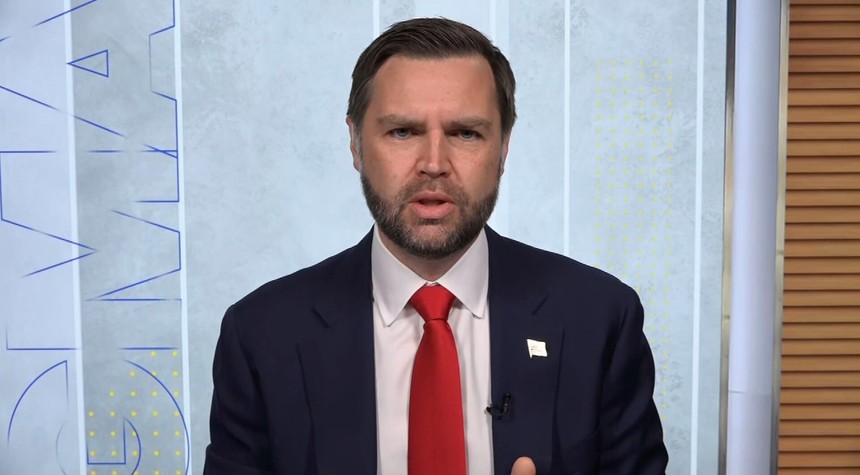
Vice President JD Vance announced Monday that the United States and Iran have digitally signed an agreement extending the ceasefire between the two nations and establishing a framework for sixty days of technical negotiations aimed at ending the longstanding dispute over Iran’s nuclear program.
In remarks that carried the weight of careful diplomacy, Vance outlined what he described as a “two-path” option now before the Iranian government. The agreement represents a significant development in American efforts to prevent Iran from acquiring nuclear weapons while offering a potential pathway toward normalized relations.
“On the one hand, if they continue to try to rebuild their nuclear program, this deal ensures they will never have the resources to do that,” Vance explained during a television interview Monday morning. “On the other hand, if the Iranians are willing to give a long-term commitment, along with proper verification, to giving up that nuclear weapon, we’re willing to welcome them into the world economy, to lift some sanctions and to turn over a new leaf in that relationship.”
The framework presents Tehran with a clear choice: face continued economic isolation if it pursues nuclear weapons capabilities, or gain access to international markets and sanctions relief in exchange for verifiable abandonment of such ambitions.
Iranian officials have consistently maintained that their nuclear program serves exclusively civilian purposes. However, Western intelligence agencies and officials have presented evidence suggesting that Iran’s uranium enrichment activities have exceeded levels necessary for peaceful energy production. The Islamic Republic has publicly denied any intention to develop nuclear weapons, assertions that American officials continue to dispute based on available intelligence.
The digital signing of this agreement marks a notable procedural development in international diplomacy, reflecting both the urgency of the matter and the technological adaptations that have become standard in high-level negotiations.
The sixty-day negotiation period will focus on technical details and verification mechanisms, critical components that have historically complicated nuclear agreements with Iran. Previous efforts to curtail Iran’s nuclear ambitions have foundered on questions of inspection access and the reliability of compliance monitoring.
The vice president’s characterization of the agreement as offering two distinct paths underscores the administration’s approach of combining pressure with incentives. Economic sanctions have significantly impacted Iran’s economy in recent years, creating internal pressures that may influence Tehran’s calculations regarding its nuclear program.
Whether Iran will choose the path of integration into the global economy or persist in activities that Western powers view as weapons development remains to be seen. The coming sixty days will prove critical in determining whether this agreement represents a genuine turning point in one of the most persistent security challenges facing the United States and its allies, or merely another chapter in a decades-long standoff.
The stakes extend beyond bilateral relations. Iran’s nuclear ambitions have long concerned Israel and Arab states in the region, and any resolution would have significant implications for Middle Eastern stability and American strategic interests in that vital area of the world.
Related: Pentagon Keeps 50,000 Troops in Region as Doubts Persist Over Iran Nuclear Deal