
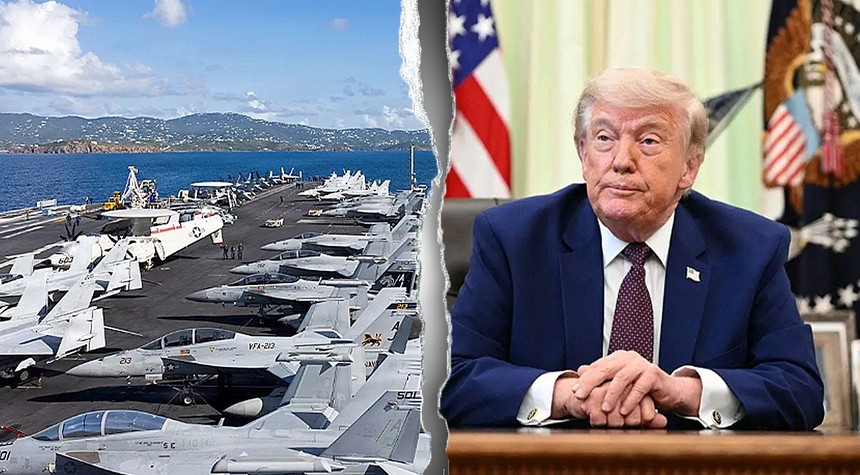
The Trump administration has signed a preliminary agreement with Iran while simultaneously maintaining one of the largest American military deployments to the Middle East in more than twenty years, a decision that underscores the deep skepticism within Washington regarding Tehran’s intentions.
Senior administration officials confirmed Monday that approximately 50,000 United States troops will remain deployed across the region throughout a 60-day negotiating period, even as President Donald Trump, Vice President JD Vance, and Iranian Parliament Speaker Mohammad Bagher Ghalibaf have signed a memorandum of understanding. The details of this agreement are expected to be released publicly within 24 to 48 hours, with a formal signing ceremony planned for later this week.
“The plan is to keep the current force posture during the 60-day negotiations,” a senior official told reporters. “We hope to draw them down, but we are not doing that yet.”
This substantial military presence includes at least two carrier strike groups operating in the Central Command area of responsibility, according to publicly available fleet tracking data. The Pentagon’s decision to maintain such significant firepower in the region reflects what officials described as an approach built on verification rather than trust.
Former Israeli Ambassador Michael Oren has voiced serious concerns about the agreement’s implications for Israeli security. Oren warned that specific details of the deal could prove “deadly” for Israel, noting that the framework fails to address fundamental security objectives including the elimination of Iran’s nuclear program, its ballistic missile capabilities, and Tehran’s continued sponsorship of terrorist organizations throughout the region.
The former ambassador expressed particular alarm over unanswered questions regarding Iran’s nuclear stockpile and its control of the strategically vital Strait of Hormuz, through which roughly one-fifth of the world’s petroleum passes daily.
Administration officials emphasized repeatedly that any sanctions relief, release of frozen assets, or future concessions would be contingent upon Iranian performance and verification, not merely promises. One senior official acknowledged that both nations remain in the early stages of “building trust,” a diplomatic understatement given the decades of hostility between Washington and Tehran.
That absence of trust became apparent in the divergent accounts of the agreement itself. The administration’s description differs substantially from versions published by Iranian officials and state-controlled media outlets, raising questions about whether both sides have reached genuine understanding or merely agreed to continue talking.
White House officials insisted Monday that no frozen Iranian assets have been released and that any sanctions relief would be strictly conditioned on Iranian compliance during the upcoming negotiations. This approach represents a marked departure from previous diplomatic efforts, which critics argued provided Tehran with economic benefits before verifiable progress on nuclear restrictions had been achieved.
The agreement contemplates the eventual reduction of American military forces in the region, but only upon completion of a final deal that satisfies Washington’s security requirements. For now, the substantial American military presence serves as both leverage during negotiations and insurance against Iranian miscalculation.
This careful balance between diplomacy and deterrence reflects the complexity of dealing with a regime that has repeatedly demonstrated hostility toward American interests and those of its regional allies. Whether this approach will yield the comprehensive agreement that has eluded previous administrations remains to be seen. What is certain is that the United States enters these negotiations with its eyes open and its military prepared.
Related: Strait of Hormuz to Reopen Under New US-Iran Peace Agreement