
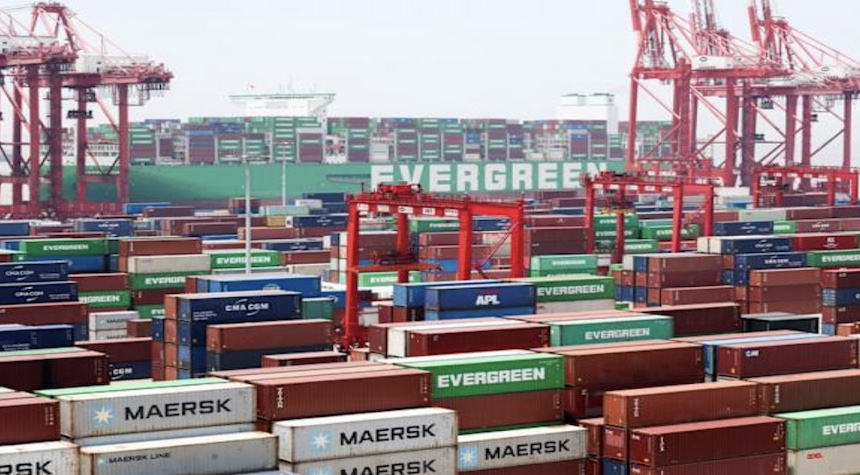
The United States government is embarking on a significant maritime initiative aimed at countering China’s global port network, according to reliable sources close to the matter. This effort represents the most extensive attempt to expand American maritime influence since the 1970s.
The Trump administration has identified concerns about the United States’ ability to provide logistical support for its military in the event of a conflict, given the current state of the U.S. commercial shipping fleet. Officials believe that America’s dependence on foreign ships and ports has become excessive, potentially putting the nation at a strategic disadvantage.
The White House is considering various options, including support for private U.S. or Western firms to acquire Chinese stakes in ports worldwide. One example cited is BlackRock’s proposed acquisition of port assets from Hong Kong’s CK Hutchison in 23 countries, including locations near the Panama Canal.
Also Consider Reading: China Claims Nvidia Broke Antitrust Laws in Preliminary Investigation
China has established a significant presence in global maritime infrastructure through state-owned enterprises, including COSCO, China Merchants, and SIPG. According to a report by the Council on Foreign Relations, as of August 2024, Chinese companies had investments in 129 port projects worldwide.
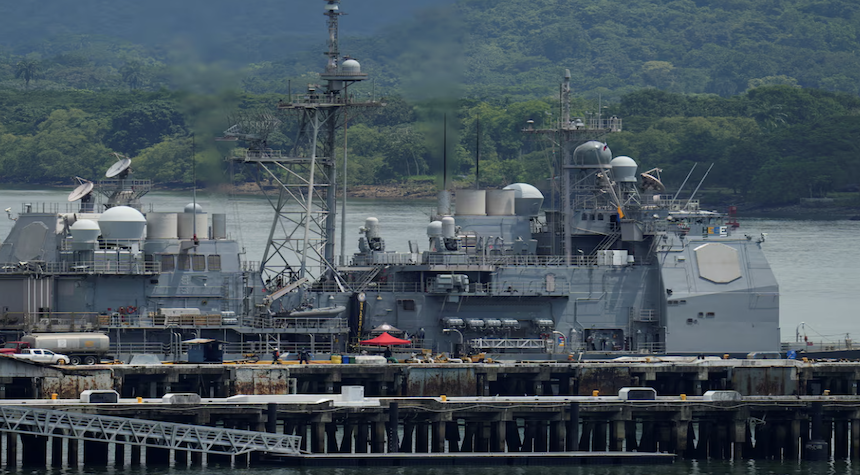
This initiative has contributed to heightened tensions between the United States and China, particularly as it intersects with Beijing’s Belt and Road initiative. The U.S. Federal Maritime Commission has launched a review of seven maritime chokepoints, including the Strait of Gibraltar, to identify potential unfavorable shipping conditions.
U.S. officials and lawmakers express concern about Chinese maritime infrastructure holdings in various locations, including Greece, Spain, the Caribbean, and U.S. West Coast ports. Conversely, China maintains that it conducts normal cooperation with other countries within the framework of international law and opposes what it terms “economic coercion” and “hegemonism.”
The significance of this should not be overlooked. The Trump administration has taken several steps to boost U.S. maritime influence, including signing an executive order to revive shipbuilding capacity and examining proposals to establish new shipping registries. These actions, combined with potential fees on Chinese-built or Chinese-flagged vessels calling at U.S. ports, represent a comprehensive effort to reshape the global maritime landscape.