
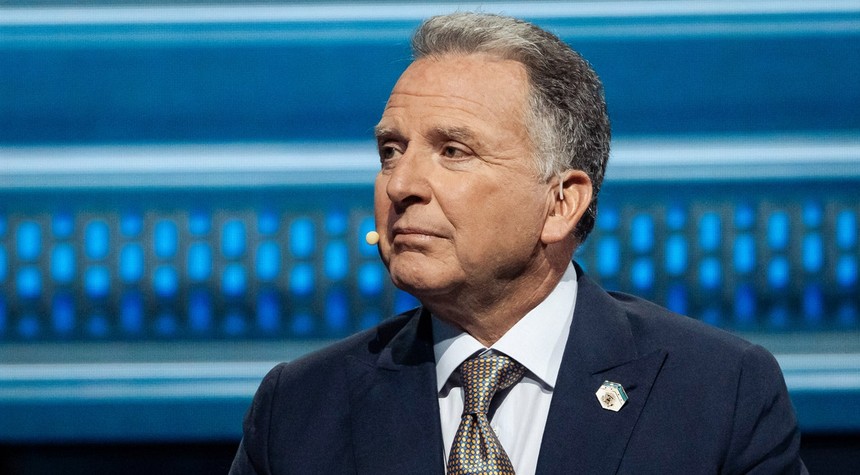
The complexities of international diplomacy moved forward this week as Steve Witkoff, the United States special envoy to the Middle East, prepared to travel to Moscow on Monday to advance peace negotiations aimed at ending the Russia-Ukraine conflict that has now stretched nearly four years.
Witkoff’s journey to the Russian capital follows what Secretary of State Marco Rubio characterized as a “very productive” meeting in Florida on Sunday with Ukrainian negotiators. That session included Rubio, Witkoff, and senior advisor Jared Kushner, signaling the administration’s serious commitment to brokering an end to the hostilities.
The timing of these diplomatic efforts appears significant. Peace talks between Ukraine and Russia have shown encouraging signs of progress in recent weeks, with the White House actively promoting a comprehensive peace plan. Witkoff, who played a central role in negotiating the recent ceasefire between Israel and Hamas, brings considerable experience in managing complex international disputes to this new challenge.
Secretary Rubio made clear in his statement that the administration’s objectives extend beyond simply halting the fighting. “Obviously, that’s essential and fundamental. We want to see the end of the killing and the death and the suffering, and I’m sure the Ukrainian side, I know they do as well,” Rubio stated. “They want peace. But it’s also about securing an end to the war that leaves Ukraine sovereign and independent and with an opportunity at real prosperity.”
The path to peace remains fraught with diplomatic obstacles. Last week, Russia’s Foreign Minister Sergey Lavrov indicated that Moscow might reject the White House’s peace framework if it fails to uphold what he described as the “spirit and letter” of agreements reached between President Donald Trump and Russian President Vladimir Putin at their Alaska summit in August. Lavrov warned that any deviation from these “key understandings” would create a “fundamentally different” situation.
However, there are reasons for cautious optimism. Despite his foreign minister’s stern warnings, President Putin expressed interest in the Trump administration’s proposals on Thursday, describing the drafted plans as a reasonable starting point for serious discussions. Putin characterized the American plan as “a set of issues put forward for discussion” rather than a finalized agreement, suggesting room for negotiation remains.
The State Department has indicated that Ukraine stands ready to accept a thirty-day ceasefire arrangement, effectively placing the responsibility for the next move squarely with Moscow. This positioning reflects the administration’s strategy of demonstrating Ukrainian flexibility while highlighting any Russian intransigence.
As Witkoff prepares for his Moscow meetings, the international community watches with considerable interest. The success or failure of these negotiations will have profound implications not only for the millions affected by the conflict but for the broader architecture of European security and American foreign policy credibility.
The coming days will reveal whether the diplomatic momentum can be sustained and whether the parties can bridge their remaining differences. What remains clear is that the Trump administration has committed significant political capital to achieving what has eluded the international community for nearly four years: a lasting peace in Eastern Europe.
Related: Israeli Prime Minister Seeks Pardon Following Trump Appeal for Clemency