
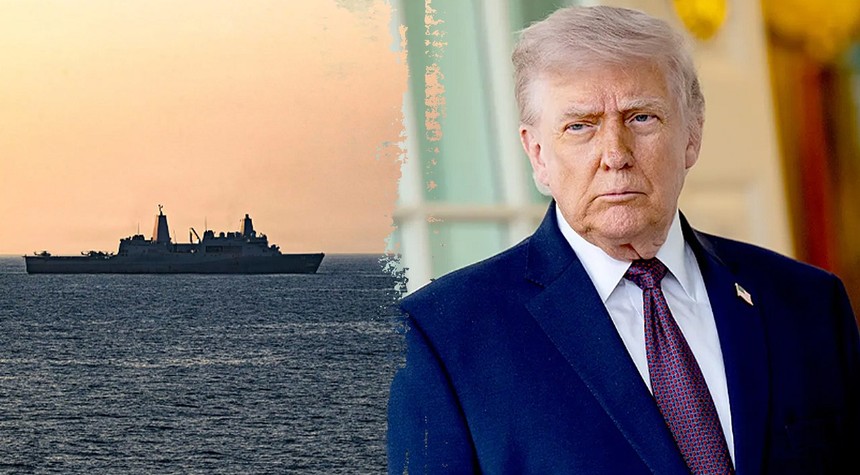
The United States and the Islamic Republic of Iran have reached a comprehensive peace agreement, President Donald Trump announced Sunday, marking what may prove to be one of the most significant diplomatic achievements in Middle Eastern affairs in recent decades.
The agreement, which Trump confirmed through official channels, will immediately reopen the Strait of Hormuz to international shipping and end the United States naval blockade of Iranian ports that has been in place during months of heightened tensions in the Persian Gulf region.
“The Deal with the Islamic Republic of Iran is now complete,” the President stated. “Congratulations to all! I hereby fully authorize the toll free opening of the Strait of Hormuz, and, simultaneously herewith, authorize the immediate removal of the United States Naval blockade. Ships of the World, start your engines. Let the oil flow!”
The Strait of Hormuz, a critical waterway through which approximately one-fifth of the world’s petroleum passes, has been a focal point of international concern throughout the recent period of American-Iranian tensions. Its reopening represents not merely a symbolic gesture but a practical measure that will have immediate effects on global energy markets and international commerce.
Pakistan has played a crucial role in facilitating this diplomatic breakthrough. Prime Minister Shehbaz Sharif, whose government served as mediator between Washington and Tehran, was the first to announce the peace deal publicly. A formal signing ceremony has been scheduled for Friday in Switzerland, where representatives from both nations will formalize the agreement before the international community.
The path to this agreement has been neither swift nor simple. Recent weeks have seen the President cancel planned military strikes against Iranian targets, signaling a preference for diplomatic solutions over military action. That decision, which drew both praise and criticism at the time, now appears to have been a calculated step toward the negotiated settlement announced today.
This development arrives at a moment when the Middle East has been experiencing renewed instability. The region has witnessed months of conflict and uncertainty, making the prospect of American-Iranian rapprochement all the more significant for regional stability.
For the international shipping industry, the practical implications are immediate. Vessels that have been forced to seek alternative routes or face delays will now have unimpeded access through one of the world’s most strategic waterways. Energy markets, which have been volatile amid concerns about supply disruptions, may see stabilization as Iranian oil flows more freely into global commerce.
The agreement also represents a test of diplomatic engagement as a tool of American foreign policy. Whether this deal will bring lasting peace to a region long marked by conflict and competing interests remains to be seen. The details of what concessions each side has made, and what verification measures have been established, will be scrutinized in the days ahead.
What is certain is that the reopening of the Strait of Hormuz and the removal of the naval blockade mark a definitive shift in American-Iranian relations. The world will be watching closely as this agreement moves from announcement to implementation, and as both nations work to fulfill their commitments under its terms.
Related: Chinese Security Ministry Warns of Espionage Campaign Using Wildlife to Gather Ocean Data