
Canada announced sweeping retaliatory tariffs on Tuesday targeting $27.6 billion worth of American goods, marking a significant escalation in the trade dispute between the two North American neighbors. The levies, set to take effect September 8th, will impact hundreds of products including steel, aluminum, furniture, and clothing.
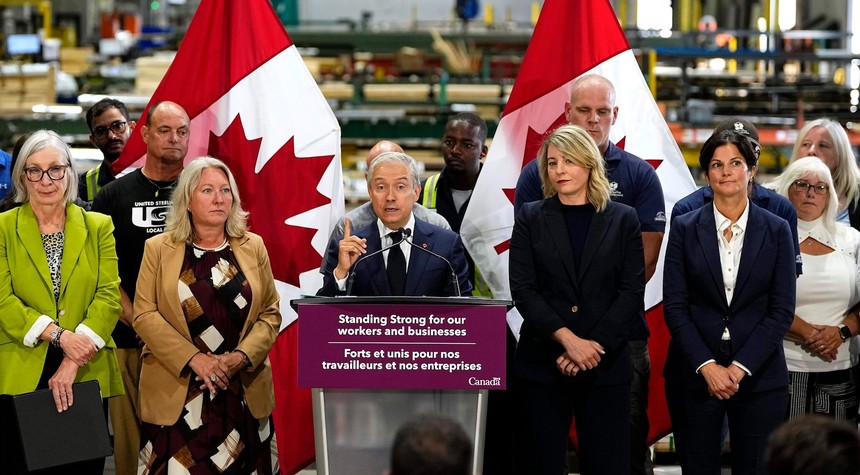
Canadian Finance Minister François-Philippe Champagne, speaking from Ottawa, declared the measures would match American tariffs “dollar for dollar, rate for rate.” The $27.6 billion figure represents approximately eight percent of total United States exports to Canada, based on census data from 2025.
“This is an unprecedented challenge imposed on Canada, but Canada will meet the moment,” Champagne stated during a Tuesday press conference, signaling his government’s resolve in this rapidly developing trade confrontation.
The Canadian response follows President Trump’s announcement on Monday that he would double tariffs on Canadian automobiles and auto parts from 25 percent to 50 percent, effective January 1st, 2027. The increased levies will also apply to steel and trucks. This represents an escalation from the President’s earlier position, which had already imposed 50 percent tariffs on certain Canadian steel products.
The President offered pointed criticism of America’s northern neighbor on his social media platform, characterizing Canada as among “the worst Nations in the World to deal with” on trade matters. “They feel entitled, and yet, WE DON’T NEED CANADA, THEY NEED US!” the President wrote, though he provided no explanation for delaying the automotive tariffs until January.
The current dispute erupted over the weekend when official negotiations between the two nations collapsed. A fresh round of 50 percent American tariffs on select Canadian goods took effect Saturday, prompting Canada’s vow to retaliate.
Canadian Prime Minister Mark Carney delivered sharp criticism of American negotiating tactics during a Saturday press conference, stating that talks broke down after American representatives made demands unfavorable to Canadian interests. “They asked too much and offered too little,” Carney said.
The Prime Minister identified automobile tariff modifications as a particular sticking point, claiming the American proposals would inflict long-term damage on Canada’s economy. He accused the administration of using “economic integration as a weapon” in the negotiations.
The economic stakes are substantial for both nations. In the first half of 2026, the United States exported $175.8 billion in goods to Canada, making it America’s second-largest export trading partner after Mexico and accounting for 14 percent of all American exports.
Canada’s retaliatory tariffs will focus on many products already subject to American levies, including paper and dairy goods, according to senior Canadian government officials. The coordinated nature of the response suggests careful planning within the Canadian government to maximize economic and political impact.
The escalating trade war between these longtime allies represents a dramatic shift in North American economic relations. Both nations now face the prospect of sustained economic friction, with consumers and industries on both sides of the border likely to bear the costs of this diplomatic breakdown.
As September approaches, businesses in both countries are preparing for the implementation of these new trade barriers, uncertain how long this confrontation might persist or what additional measures either government might deploy in the weeks ahead.
Related: Economic Fears Drive Puerto Rican Opposition to Becoming 51st State