
The massive air traffic disruption that grounded flights across the nation last Friday has exposed a troubling reality about America’s aging infrastructure and an even more concerning vulnerability in our ability to fix it. The incident, which President Donald Trump described as very old equipment having a heart attack, has prompted the administration to request substantial new funding for modernization. Yet the path forward reveals a strategic weakness decades in the making.
Transportation Secretary Sean Duffy has formally requested fifty billion dollars from Congress to overhaul the nation’s air traffic control system, replacing copper wiring installed generations ago with modern fiber optics and upgrading control towers that have long exceeded their intended service life. The request comes as multiple major airports, including facilities in Newark, Dallas, and throughout New York, have experienced similar telecommunications failures in recent months. These are not isolated incidents but symptoms of systemic infrastructure decay.
The challenge facing America, however, extends beyond simply appropriating funds and issuing contracts. China maintains a virtual monopoly over the global rare earth supply chain, controlling the processing stages that transform raw ore into the industrial components essential for modern aviation systems. While rare earth elements exist in relative abundance in nature, Beijing has positioned itself as the indispensable middleman in converting those materials into usable products.
Anupam Ghildyal, chief growth officer for REalloys, a North American critical minerals company, explained the scope of the problem facing the Federal Aviation Administration. Radars, satellite systems, precision motors, and navigation equipment all require rare earth elements in their construction. Manufacturing these components domestically, as security considerations increasingly demand, requires access to raw materials that America simply does not possess in sufficient quantities or processing capability.
This dependency did not emerge overnight. During the nineteen eighties and nineteen nineties, American companies processed substantial quantities of rare earth materials and manufactured the specialized magnets these elements produce. Then came a fateful decision. Deeming the processes too laborious and environmentally problematic, American industry chose to offshore these operations. China eagerly assumed the role, and over four decades has built an infrastructure the United States no longer possesses.
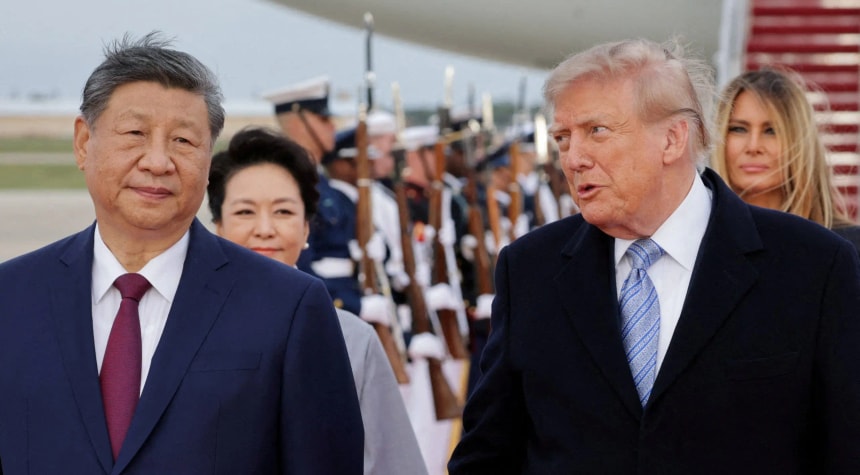
The implications for national security and economic sovereignty are considerable. Beijing has demonstrated willingness to use its rare earth dominance as diplomatic leverage, and experts confirm this practice continues. As President Trump prepares for his Thursday summit with Chinese President Xi Jinping in Shenzhen, the rare earth question looms as a significant bargaining chip. China desires access to American artificial intelligence technology. America needs rare earth materials. The contours of negotiation become clear.
Current American demand for neodymium magnets alone reaches approximately fifty thousand tons annually. Domestic production falls woefully short, creating a dependency gap approaching ninety-nine percent. This chasm cannot close quickly. Industry experts project a five to ten year timeline for establishing meaningful domestic rare earth processing capacity, assuming political will and sustained investment materialize.
The nationwide ground stop may prove a watershed moment, forcing a reckoning with decisions made decades ago when globalization seemed an unalloyed benefit and economic efficiency trumped strategic resilience. The question now is whether America possesses the determination to rebuild industrial capabilities deliberately surrendered, or whether critical infrastructure modernization will proceed at the pace and pleasure of a strategic competitor holding the essential materials.
The copper wiring and aging towers can be replaced, given sufficient funding and time. Whether they can be replaced with components manufactured from American-controlled materials remains the more fundamental question facing this administration and Congress.
Related: Treasury Department Expands Sanctions Against Hezbollah Financial Networks