
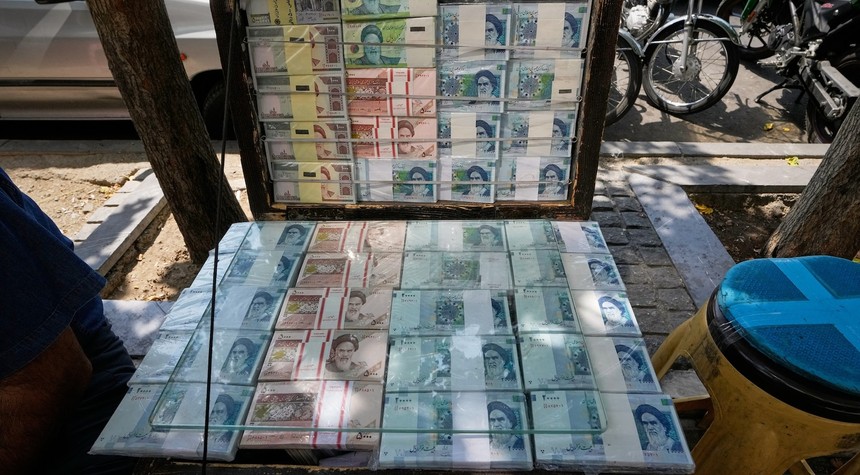
The United States Treasury Department announced Monday an aggressive expansion of economic sanctions targeting Iran and any nation or entity that continues conducting business with the Islamic Republic, marking what officials describe as a comprehensive effort to isolate Tehran financially.
Treasury Secretary Scott Bessent characterized the initiative as an “economic onslaught” comparable in scope and ambition to the Allied invasion of Normandy during World War II. The comparison, while perhaps ambitious, underscores the administration’s determination to fundamentally alter Iran’s economic position on the world stage.
The announcement comes amid ongoing military operations between the United States and Iran. President Donald Trump declared “major combat operations” against Iran on February 28, launching massive coordinated strikes with Israeli forces against Iranian military installations, government facilities, and infrastructure sites. Despite negotiations that commenced in June following a memorandum of understanding between the two nations, military exchanges have persisted, with the strategically vital Strait of Hormuz remaining the principal flashpoint for conflict.
The Treasury Department’s expanded sanctions regime will impose what officials term “secondary sanctions” on third-party nations and entities that maintain commercial relationships with Iran. This represents a significant escalation in American economic warfare capabilities, effectively forcing other countries to choose between access to American markets and continued dealings with Tehran.
Secretary Bessent emphasized that the United States exercises restraint in deploying secondary sanctions precisely to maintain their effectiveness. “The reason we are able to use secondary sanctions is because we do not take their use lightly,” Bessent stated. He indicated that the administration would provide advance warning to ensure all parties understand American expectations.
The Treasury Department has established a protocol whereby each country will receive a defined timeline to terminate identified Iran-related activities. Failure to comply will trigger American sanctions enforcement. “Every country, every entity should know that they should be prepared to face U.S. sanctions,” Bessent warned. “No one is above this. We are going to hold everyone accountable. And this is the economic asphyxiation of this regime.”
The new measures will reportedly expand the categories of Iran-related conduct subject to secondary sanctions, simplifying the process for targeting intermediaries who facilitate transactions on behalf of the Iranian government. Administration officials indicate the Treasury Department has comprehensively mapped Iran’s oil-smuggling operations and sanctions-evasion networks, information that will be presented to countries currently enabling Iranian circumvention of existing restrictions.
The goal, as articulated by Secretary Bessent, is to “sever every economic lifeline” sustaining Iran. This includes financial channels operating through banking institutions and third countries that have previously tolerated certain Iranian economic activities.
The Iranian response has been characteristically defiant. Mohammad Mokhber, senior adviser to Iranian Supreme Leader Mojtaba Khamenei, vowed that Iran’s reaction to expanded American sanctions would be “more decisive than ever.”
The effectiveness of this economic strategy remains to be demonstrated. While American financial power provides substantial leverage, the success of secondary sanctions depends largely on international cooperation. Major trading partners, particularly those with significant economic interests independent of American markets, may prove resistant to Washington’s demands.
This development represents a critical juncture in American-Iranian relations, with economic warfare proceeding parallel to active military engagement. Whether this dual-track pressure campaign achieves its stated objectives of fundamentally altering Iranian behavior will depend on both the administration’s resolve and the international community’s willingness to align with American policy.
Related: Economic Fears Drive Puerto Rican Opposition to Becoming 51st State