
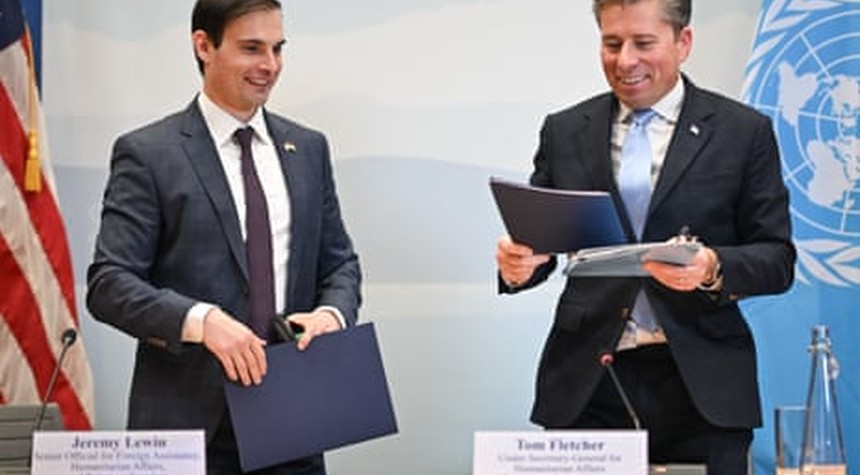
The United States this week pledged two billion dollars in humanitarian assistance, but the announcement has raised serious questions about the future independence of the international aid system and whether political considerations now outweigh humanitarian need.
The pledge, while welcomed by a cash-strapped United Nations system that has endured a year of deep budget cuts from Western donors, comes with unprecedented restrictions. The State Department has mandated that funds flow exclusively through a pooled mechanism under UN control rather than to individual relief agencies, and has designated precisely seventeen countries eligible to receive assistance.
Notably absent from that list are Afghanistan and Yemen, both nations experiencing what relief organizations classify as severe humanitarian emergencies.
The State Department’s announcement carried blunt language rarely heard in diplomatic circles. Officials stated the United Nations must “adapt, shrink or die” through implementation of reforms and elimination of waste. This represents a fundamental shift in how the world’s largest donor nation approaches international humanitarian assistance.
The designated recipients include Sudan, Haiti, and the Democratic Republic of the Congo, along with several Latin American nations. What unites these countries is not merely humanitarian need, but clear American strategic interests in each region.
Independent analysts have expressed alarm at the precedent being established. The concern centers on whether humanitarian assistance, traditionally guided by principles of neutrality and need, is being transformed into an instrument of foreign policy. When crises emerge in regions not on Washington’s predetermined list, the flexibility to respond may no longer exist.
The financial picture adds another dimension to these concerns. While two billion dollars represents substantial funding, it falls short of the 3.38 billion dollars the United States previously provided to UN humanitarian operations. The net effect is a smaller aid system with less operational flexibility, despite public statements characterizing the pledge as generous.
The United Nations’ response to these conditions has itself become controversial. UN officials praised the American commitment as “bold and ambitious,” language that struck some observers as remarkably deferential given the restrictions attached. This raises uncomfortable questions about the balance of power within the international system and whether the UN retains sufficient independence to advocate for humanitarian principles when they conflict with donor preferences.
The broader context cannot be ignored. Western nations have collectively reduced humanitarian budgets over the past year, creating funding shortfalls across multiple crises. Against this backdrop, any new money generates relief among aid organizations. Yet accepting funding with political strings attached may establish precedents that fundamentally alter how humanitarian assistance operates.
The practical implications are sobering. Humanitarian workers operate on the principle that assistance should reach those in greatest need regardless of political considerations. A system where donor nations predetermine which crises merit response and which do not represents a departure from that foundation.
As this new framework takes shape, the international community faces a choice about what humanitarian assistance means in practice. The question is whether need or politics will guide decisions about who receives help when disaster strikes.
Related: North Korea Conducts Three-Hour Missile Exercise Amid Rising Peninsula Tensions