
Liberian law enforcement authorities have brought charges against five individuals following the discovery of more than 200 kilograms of cocaine at Roberts International Airport in Monrovia, marking one of the largest drug seizures in the West African nation’s history.
The narcotics, valued at approximately $19 million, were concealed in a shipment falsely declared as Maggi seasoning cubes when discovered on June 8th. The suspects were not publicly identified until Inspector General Gregory Coleman held a press briefing this past weekend, a delay that sparked considerable controversy within Liberian political circles.
“This was a serious transnational cocaine trafficking operation using Liberia’s aviation and logistics system as a channel for organized crime,” Coleman stated. He further revealed that investigators had uncovered evidence connecting this seizure to a similar operation processed through the airport in May.
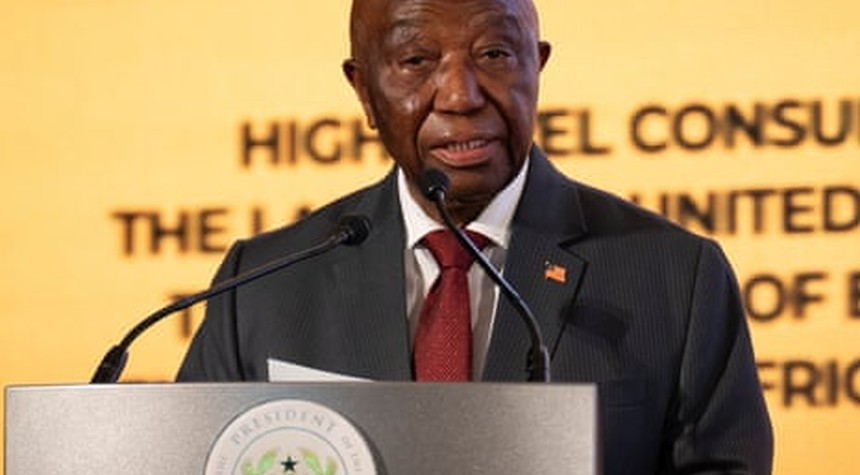
The discovery prompted President Joseph Boakai to order a joint investigation by the national police and the country’s anti-drug agency. In a statement issued at the time of the bust, Boakai declared that “Liberia will not be used as a safe haven, transit point, warehouse, financial center or operational base by criminal networks engaged in narcotics trafficking.”
However, the weeks-long delay in naming suspects triggered a political firestorm in the Liberian legislature. Coleman was summoned to testify before a special senate hearing as parliamentarians and citizens alike questioned whether the investigation was being compromised to shield influential figures within Liberian society.
At Saturday’s briefing, Coleman announced that evidence suggested complicity by the logistics company that handled the shipment. The five suspects now face charges including transportation, possession and illicit trafficking of controlled substances, as well as criminal conspiracy.
The primary suspect, identified as the operations manager of the logistics firm involved, is currently in custody in Monrovia. Coleman indicated that arrest warrants would be issued through Interpol channels for the remaining suspects who are at large. One suspect was reportedly attending an event in China at the time of the seizure and has not returned to Liberia. Prosecutors have released contact information for a UK-based suspect, including a Dutch phone number and a residential address in Birmingham.
This seizure underscores growing concerns about West Africa’s role in international narcotics trafficking. The region, characterized by porous land and maritime borders and often limited law enforcement resources, has increasingly become a critical transit point for cocaine shipments moving from South America to European markets.
For Liberia, a nation still rebuilding its institutions following years of civil conflict, the case represents both a challenge and an opportunity. The successful prosecution of these suspects could demonstrate the country’s commitment to combating transnational crime. Conversely, any perception of interference or preferential treatment could undermine public confidence in law enforcement institutions that remain fragile.
The international dimensions of this case, involving suspects across multiple continents and the use of commercial aviation infrastructure, highlight the sophisticated nature of modern drug trafficking operations and the necessity of international cooperation in combating them.
As this investigation proceeds, it will serve as an important test of Liberia’s resolve to prevent criminal organizations from exploiting its territory and infrastructure for illicit purposes.
Related: Explosions Rock Damascus During Historic Macron Visit to Post-Assad Syria