
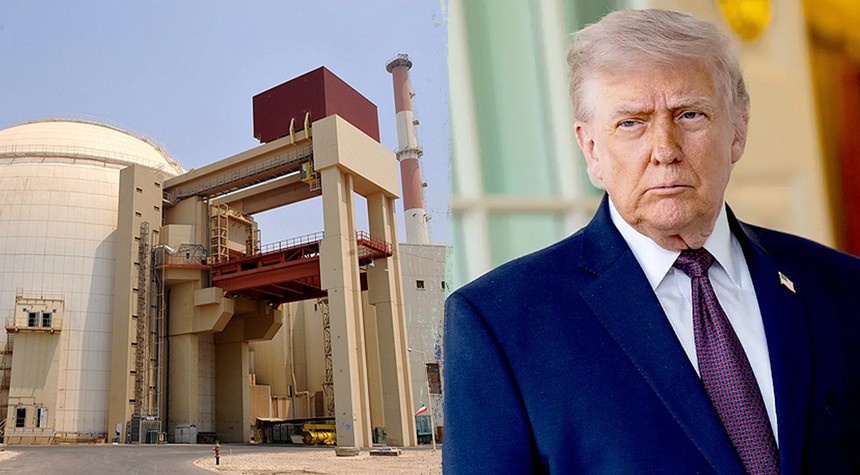
The Trump administration has requested $672 million from Congress to dismantle Iran’s nuclear infrastructure, part of a broader $80 billion supplemental funding package tied to ongoing operations in the Middle East.
Secretary of State Marco Rubio expressed cautious optimism about the developing agreement with Iran, stating the administration wants the deal to succeed while emphasizing that President Trump remains prepared to exercise all available options should negotiations fail.
The requested funds would support the physical removal and elimination of Iranian nuclear materials, including uranium hexafluoride, various forms of uranium, and research reactor fuel containing highly enriched uranium. According to White House officials, the Department of Energy would oversee these activities, which aim to terminate Iran’s capability to develop or acquire nuclear weapons.
The funding would also establish American verification operations inside Iran, support inspections conducted by the International Atomic Energy Agency, strengthen nuclear smuggling detection programs, and expand Nuclear Emergency Support Team operations throughout the Middle East region.
This request arrives as American and Iranian negotiators work to transform their recent memorandum of understanding into a comprehensive, detailed agreement governing Iran’s nuclear program and its stockpile of enriched uranium. The memorandum, signed by both nations on June 17, initiated technical discussions led by Vice President JD Vance in Switzerland.
The agreement establishes minimum acceptable terms for handling Iran’s approximately 900-pound stockpile of near-weapons-grade enriched uranium. The primary methodology agreed upon involves downblending, a process that reduces uranium concentration through dilution, rendering it unsuitable for weapons development.
Defense Secretary Pete Hegseth has been briefing members of the House Republican Study Committee on the complete $80 billion request, which covers costs associated with Operation Epic Fury, the offensive campaign against Iranian targets, as well as replenishment of American munitions stockpiles depleted during operations.
The full text of the funding request is expected to reach Congress within the coming days, where it will face scrutiny from appropriators concerned about the total price tag, which has proven substantially higher than initial estimates provided to congressional leadership.
The success of this initiative depends not merely on congressional appropriations, but on Iran’s willingness to cooperate with intrusive verification measures and permanently surrender its nuclear ambitions. The international community has watched Iran’s nuclear program advance for decades, through various agreements and violations, sanctions and negotiations.
Whether this latest effort proves more successful than previous attempts remains to be seen. The administration has structured its approach to combine diplomatic engagement with practical dismantlement operations, backed by the implicit threat of military action should Iran fail to comply.
The stakes extend beyond American interests. A nuclear-armed Iran would fundamentally alter the balance of power throughout the Middle East, potentially triggering an arms race among regional powers and threatening the security of American allies, particularly Israel and the Gulf states.
That is the way it is, as negotiations continue and Congress prepares to consider this substantial funding request in the weeks ahead.
Related: Veteran Defense Strategist Questions Unverified Claims About Non-Human Remains