
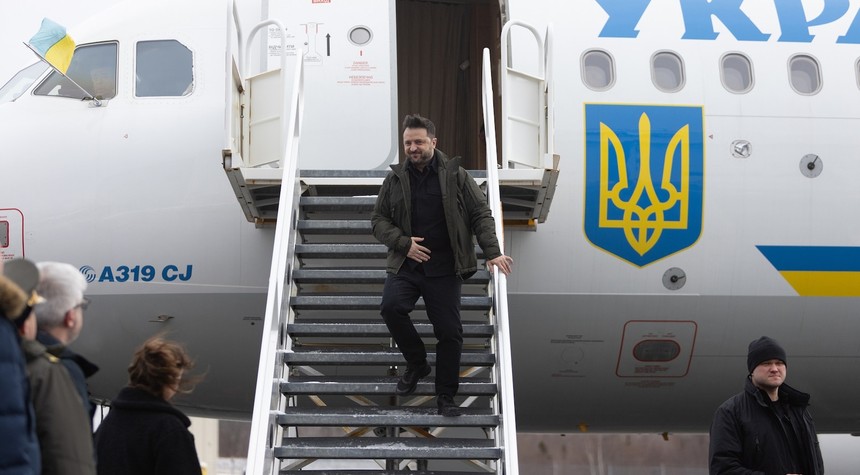
President Donald Trump confirmed Sunday that he conducted what he described as a “good and very productive telephone call” with Russian President Vladimir Putin, just hours before a scheduled meeting with Ukrainian President Volodymyr Zelenskyy at the Mar-a-Lago estate in Florida.
The President announced the conversation through social media shortly before the 1:00 p.m. meeting with the Ukrainian leader. The Kremlin subsequently verified that the call had indeed taken place, according to Russian presidential press secretary Dmitry Peskov.
These diplomatic maneuvers unfold against a backdrop of continued military action. Russia launched dozens of drones into Ukrainian territory overnight, according to reports from Kyiv’s air force. Ukrainian forces reported that 48 Russian drones were fired into the country between Saturday night and Sunday morning. Of these, 30 were either shot down or electronically suppressed. The remaining 18 drones struck targets across nine separate locations within Ukraine.
This latest aerial assault represents merely the most recent chapter in what has been an extraordinarily intense week of long-range Russian attacks. Data from the Ukrainian air force indicates that at least 1,810 drones and missiles have been fired during this period, a figure that underscores the sustained military pressure Ukraine continues to face even as diplomatic discussions proceed.
The timing of these attacks carries particular significance. The drone strikes occurred as President Zelenskyy arrived in North America specifically to engage in further discussions regarding a potential agreement to end Russia’s full-scale invasion of his country, an invasion that commenced in February of the previous year.
The sequence of events raises important questions about the nature of ongoing peace negotiations. That Russia would continue such intensive military operations even as diplomatic channels remain active suggests the complex and difficult path ahead for any potential resolution to this conflict.
President Trump’s decision to speak directly with President Putin before meeting with President Zelenskyy represents a calculated diplomatic approach. By engaging with both parties in close succession, the American President positions himself as an active mediator in what has become Europe’s most significant military conflict since World War II.
The substance of the Trump-Putin conversation has not been disclosed beyond the President’s characterization of it as productive. What specific topics were discussed, what assurances may have been sought or given, and what framework for peace may be emerging from these discussions remains to be seen.
What is clear is that the stakes of Sunday’s meetings at Mar-a-Lago extend far beyond the immediate parties involved. The resolution or continuation of this conflict will have profound implications for European security architecture, American foreign policy commitments, and the broader question of how territorial sovereignty will be respected in the 21st century.
As these diplomatic efforts proceed, the military reality on the ground continues unabated, a sobering reminder that the path from war to peace is rarely straightforward.
Related: Russia Launches Massive Strike on Kyiv Hours Before Ukraine-US Talks