
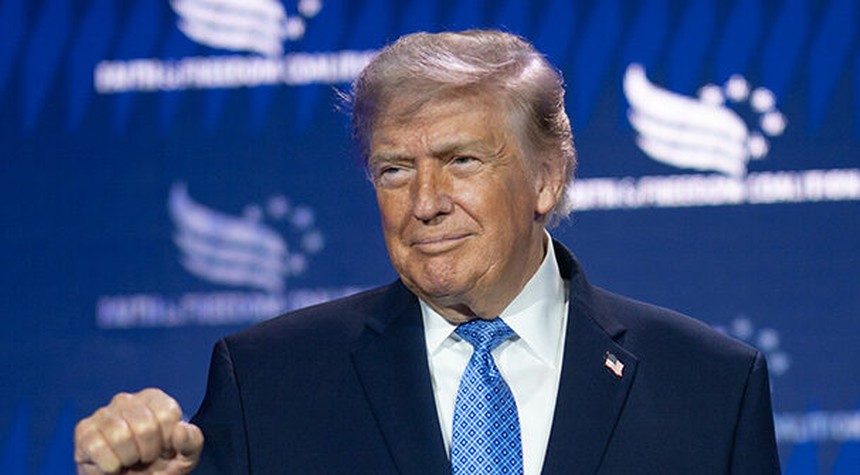
President Donald Trump has issued a stark warning to Oman, stating he would order airstrikes against the Gulf nation if it interferes with efforts to resolve the ongoing conflict with Iran.
In a telephone interview Monday with a foreign correspondent, Trump used blunt language to describe his willingness to take military action. The president was responding to Iran’s recent claims that it has nearly finalized an agreement with Oman for joint control of the Strait of Hormuz, a vital international waterway through which a significant portion of the world’s oil supply passes.
The proposed arrangement between Tehran and Muscat would establish a system for extracting fees from international shipping, with the two nations dividing the proceeds. In June, the Iranian and Omani foreign ministries issued a joint statement announcing the formation of a “Strait of Hormuz Committee” to develop plans for future management of shipping through the strait, including associated services and fees.
According to reports, Oman presented Iran with a proposal for joint stewardship that Tehran rejected. The Iranian government objected in part because the proposal would have allowed Oman to use its territorial waters to help vessels avoid Iran’s demands for payment. Instead, Iran has pushed for a system placing outbound traffic from the Persian Gulf under Omani coastal routes while giving Iran control over incoming traffic.
The United States has firmly opposed any scheme to extract fees from traffic through this critical waterway. Trump’s comments suggest growing frustration with Oman’s bilateral negotiations with Iran, particularly as the Omanis have positioned themselves as impartial mediators between Washington and Tehran.
The president indicated he expects Iran to surrender unconditionally to end the crisis and expressed willingness to allow the current U.S. blockade sufficient time to degrade Iran’s economy until capitulation occurs. Trump stated he has no fixed timeline and is not rushing toward a resolution.
Addressing speculation about domestic political pressures, Trump dismissed theories that Iran expects him to relent before the November midterm elections due to concerns about high gasoline prices and inflation affecting voter sentiment toward his party.
The president revealed that the United States maintains a direct communication channel with Iran’s Islamic Revolutionary Guard Corps for negotiations, despite public statements from Tehran denying any interest in talks with Washington. Trump characterized Iranian officials as skilled negotiators facing dire economic circumstances.
Iranian Foreign Ministry spokesman Esmaeil Baqaei reiterated Monday that Iran is not engaged in discussions with the United States, including negotiations that were scheduled to occur within 60 days of the Memorandum of Understanding signed between the two nations in June. Baqaei stated that widespread violations of the agreement began shortly after signing, rendering the 60-day provision meaningless.
The situation underscores the complex diplomatic landscape in the Persian Gulf, where traditional American partners like Oman are attempting to balance relationships with both Washington and Tehran. The Strait of Hormuz remains a critical flashpoint, with any disruption to shipping potentially affecting global energy markets and international commerce.
Related: British Petroleum Partners with Trump-Connected Firms for Venezuela Energy Project