

The United States has launched precision strikes against Iranian nuclear facilities, an action that is reverberating far beyond the borders of the Islamic Republic. Reports from Washington and Taipei indicate that this military intervention is prompting a reassessment of American foreign policy, particularly in Beijing.
The strikes, carried out on Saturday, involved B-2 stealth bombers and submarine-launched Tomahawk cruise missiles targeting uranium enrichment plants at Natanz, Fordo, and Isfahan. The Chinese government has condemned these actions as a violation of international law, asserting that they have further inflamed tensions in the Middle East.
According to reliable sources, including American and Taiwanese officials speaking to the Financial Times, this demonstration of military force is causing Chinese President Xi Jinping’s advisers to reevaluate their understanding of President Trump’s willingness to use military power in matters China considers vital to its national interests.

Before these events, there was a perception in Beijing that the Trump administration might take a more isolationist approach in its second term. Andrea Ghiselli, an expert on China’s Middle East policy at the University of Exeter, reports that Chinese officials had anticipated a more pragmatic relationship with the United States. The evidence suggests this expectation is now being reconsidered.
The Taiwanese government is analyzing the strategic impact of these strikes. A source familiar with President Lai Ching-te’s administration indicates that the action has challenged the notion that isolationists were dictating American foreign policy. This development raises important questions about deterrence against potential Chinese aggression towards Taiwan.
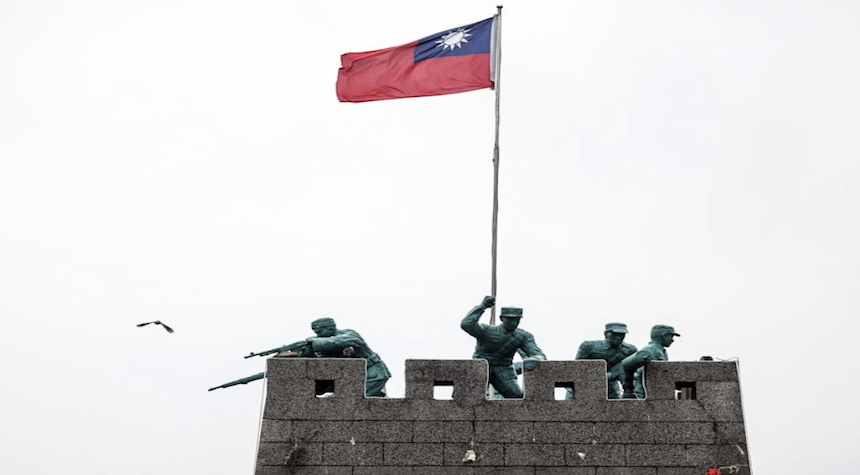
While some experts, like Yun Sun from the Stimson Center, suggest that China will now be more cautious in its assessment of U.S. involvement in regional conflicts, others are concerned about the redeployment of American military assets from the Indo-Pacific to the Middle East.
The facts underscore the complex interplay between U.S. actions in the Middle East and strategic calculations in East Asia. As this situation continues to develop, it will be crucial to monitor how China adjusts its stance on Taiwan and its activities in the South China Sea.