
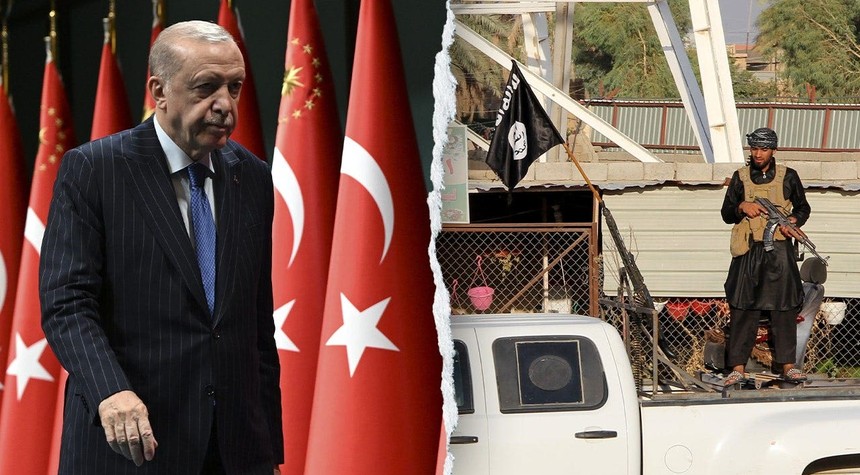
Turkish security forces conducted extensive raids in the capital city of Ankara on Tuesday, detaining more than 200 individuals in connection with suspected terrorist activities ahead of a scheduled NATO summit. The operation represents one of the most significant security sweeps in recent months as the alliance prepares to convene in Turkey.
Turkish prosecutors issued detention orders for 241 suspects, ultimately taking 209 individuals into custody during the coordinated operation. According to statements from the office of Turkey’s chief prosecutor, 56 of those detained maintain alleged connections to the Islamic State terrorist organization.
The timing of these arrests carries particular significance. The NATO summit scheduled for July 7-8 in Ankara will bring together leaders from the Atlantic alliance, with President Donald Trump expected to attend. The gathering of Western leaders on Turkish soil presents unique security challenges, particularly given the persistent threat of terrorism in the region.
This latest operation follows similar enforcement actions by Turkish authorities. In December, security forces detained 125 individuals identified as ISIS members, demonstrating an ongoing effort to disrupt terrorist networks within Turkey’s borders.
Andrew Giuliani, serving as executive director of the White House FIFA World Cup Task Force, has addressed concerns regarding ISIS calls for lone-wolf attacks. These decentralized threats pose particular challenges for security services, as individuals acting independently prove more difficult to identify and intercept than organized cells.
Turkey occupies a complex position within NATO. The nation serves as a crucial geographic bridge between Europe and the Middle East, making it strategically vital to the alliance. However, Turkey’s relationships with various regional actors have drawn scrutiny from fellow NATO members, particularly regarding its connections to organizations that other alliance members view with suspicion.
The country has faced criticism over reported ties to groups including Hamas and the Muslim Brotherhood. These relationships have raised questions about Turkey’s role within the Western alliance, even as the nation continues to host NATO military infrastructure and participate in alliance operations.
For the Trump administration, the upcoming summit presents both diplomatic opportunities and security concerns. The President’s attendance at the Ankara gathering will mark an important moment in alliance relations, occurring at a time when NATO faces questions about burden-sharing, regional threats, and the commitment of member nations to collective defense obligations.
The detention operation underscores the persistent threat that ISIS continues to pose, despite the territorial defeat of the so-called caliphate. The organization’s ideology remains potent, inspiring both organized cells and individual actors to conduct attacks against Western targets and the governments that oppose them.
As NATO leaders prepare to gather in Turkey’s capital, the security environment remains fluid. Turkish authorities have demonstrated their capacity to conduct large-scale operations against suspected terrorists, yet the very necessity of such sweeping arrests illustrates the ongoing nature of the threat.
The success of the upcoming summit will depend not only on diplomatic achievements but also on the security measures that allow world leaders to meet without incident. For Turkey, hosting this gathering represents an opportunity to demonstrate both its value to the alliance and its capability to maintain order within its borders during a critical international event.
Related: Nuclear Inspections Return to Iran After Years of Blocked International Access