
Ukraine has begun purchasing a domestically manufactured guided bomb system that military officials say will enable their forces to strike Russian positions from safer distances while reducing dependence on Western munitions suppliers.
The weapon, designated the Vyrivniuvach or “Equalizer” in English, has completed testing and entered procurement for the Ukrainian armed forces. The system was developed by Ukrainian defense contractor DG Industry with assistance from Brave1, a government-supported defense technology initiative.
The timing of this development carries particular significance. Foreign military aid to Ukraine remains subject to political uncertainties in Western capitals, and this new capability provides Kyiv with greater autonomy over its precision strike capabilities.
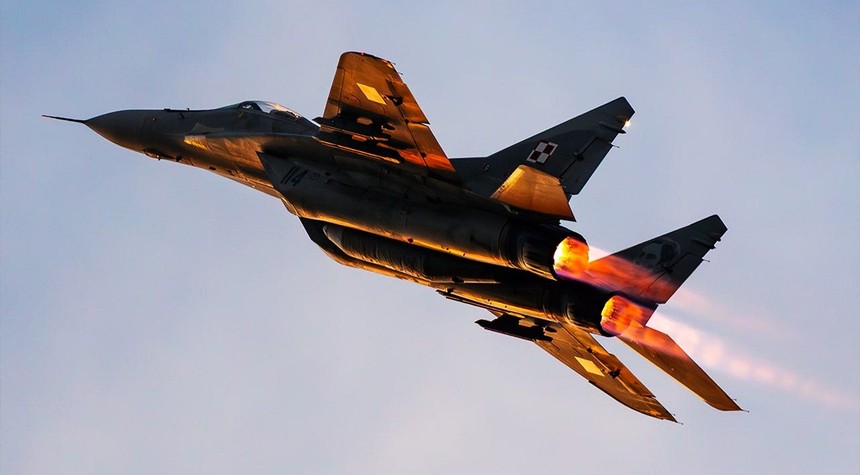
The Equalizer functions by converting conventional unguided bombs into precision weapons through the addition of wing kits and guidance systems. Ukrainian military planners have designed it for deployment from the nation’s Soviet-era MiG-29, Su-24, and Su-27 fighter aircraft. According to Brave1 representatives, the system could eventually be adapted for Ukraine’s Western-supplied F-16 and Mirage fighter jets, though additional certification procedures must first be completed.
The weapon enables Ukrainian pilots to engage targets deeper behind Russian defensive lines while maintaining safer distances from Russian air defense systems. This standoff capability has become increasingly critical as the air war over Ukraine has intensified.
Until now, Ukrainian air forces have depended heavily upon American-supplied JDAM-ER bomb kits and Small Diameter Bombs, supplemented by French-manufactured Hammer bombs, for conducting precision strikes from beyond the range of Russian air defenses.
Russia’s deployment of guided glide bombs has emerged as one of the most destructive elements of the conflict for Ukrainian forces and civilian populations near the front lines. Ukraine’s Defense Ministry reported that Russian forces released more than 8,300 guided aerial bombs during July alone, representing the highest monthly total since the war began and averaging more than 267 bombs daily.
The broader Russian aerial campaign has escalated dramatically in recent days. An overnight missile and drone assault on Kyiv and surrounding areas resulted in at least 16 deaths and approximately 40 wounded, according to Ukrainian officials. The strike damaged residential structures, a school, and a children’s hospital.
Russian officials reported casualties from a Ukrainian drone attack in Belgorod, further escalating tensions along the border regions.
The latest Russian offensive involved more than 200 drones and missiles targeting key civilian infrastructure throughout Ukraine. Among the facilities destroyed was a World Health Organization warehouse, underscoring the indiscriminate nature of the strikes against civilian targets.
As this conflict enters another phase, the introduction of domestically produced weapons systems represents a strategic shift for Ukraine. The ability to manufacture precision munitions reduces vulnerability to the political vicissitudes that govern foreign aid allocations and provides Ukrainian military planners with greater operational flexibility.
The question now becomes whether Ukrainian industrial capacity can scale production sufficiently to meet operational demands while simultaneously maintaining quality and reliability standards under wartime conditions. The answer will likely influence the trajectory of this conflict in the months ahead.
Related: Five Americans Among Seven Dead in Kenya Helicopter Accident