
In a quiet office in Washington, a woman sits with the composure of someone who has learned to contain unspeakable memories. Mihrigul Tursun, thirty-five years old, speaks with deliberate care about experiences that would break most people. She is a Uyghur mother who says she survived China’s detention system. What she describes demands our attention.
The facts of her account are these: Tursun returned to China from Egypt and was subsequently detained. She reports torture, interrogation, and conditions that resulted in the death of her infant son. She now resides in the United States and has chosen to speak publicly about what she witnessed and endured.
Her testimony comes at a moment of considerable geopolitical significance. The relationship between the United States and China remains one of the most consequential in international affairs, encompassing trade disputes, security concerns, and fundamental questions about human rights. For Tursun, however, this is not a matter of diplomatic abstraction. It is deeply, tragically personal.
Tursun was born in Xinjiang, the vast western region of China that is home to the Uyghur people, a predominantly Muslim ethnic minority with distinct language and cultural traditions. For years now, human rights organizations, independent researchers, and former detainees have documented what they describe as systematic persecution: mass detention, forced labor, political indoctrination, and severe restrictions on religious practice.
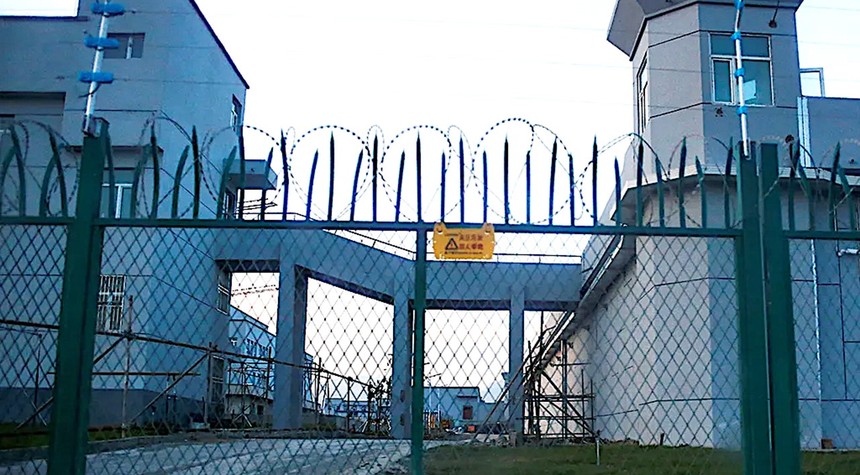
The Chinese government categorically denies these allegations. Beijing maintains that the facilities in question are vocational training centers designed to combat extremism and terrorism. This is the official position, repeated consistently by Chinese authorities when confronted with accounts like Tursun’s.
The gap between these two narratives could hardly be wider. On one side, testimonies of underground cells, overcrowded detention rooms, and systematic abuse. On the other, official assurances of benign educational programs. The truth of what occurs within these facilities matters enormously, not only for the Uyghur people but for our understanding of China’s governance and our response to it.
Tursun describes memories that arrive with overwhelming clarity: interrogations, the sounds of women screaming at night, the desperate attempt to revive her child. She says these are not distant recollections but present realities that shape every day of her life.
What compels her to speak, she indicates, is the knowledge that few who have experienced China’s detention system are able or willing to testify publicly. There is fear, she explains, not primarily for herself but for family members who remain in China and may face consequences because she has chosen to break her silence.
Her account raises uncomfortable questions that responsible nations must confront. If the allegations against China’s treatment of the Uyghurs are accurate, then we are witnessing human rights violations on a massive scale in the twenty-first century. If they are not accurate, then China has a profound interest in allowing independent, international verification of conditions in Xinjiang.
As it stands, the evidence from multiple sources, including satellite imagery, leaked documents, and consistent testimony from former detainees, points toward systematic repression. The international community has been slow to respond with meaningful action, constrained by economic interests and geopolitical calculations.
Mihrigul Tursun’s story is one account among many, but it carries the weight of lived experience. She speaks, she says, because people must understand that such things are not merely historical. They are happening now.
That is a claim that demands investigation, verification, and ultimately, a response commensurate with the values we profess to hold. The facts, as they emerge, will tell us much about China. They will tell us even more about ourselves.
Related: Federal Investigators Face Questions Over String of Deaths Among Defense Research Scientists