
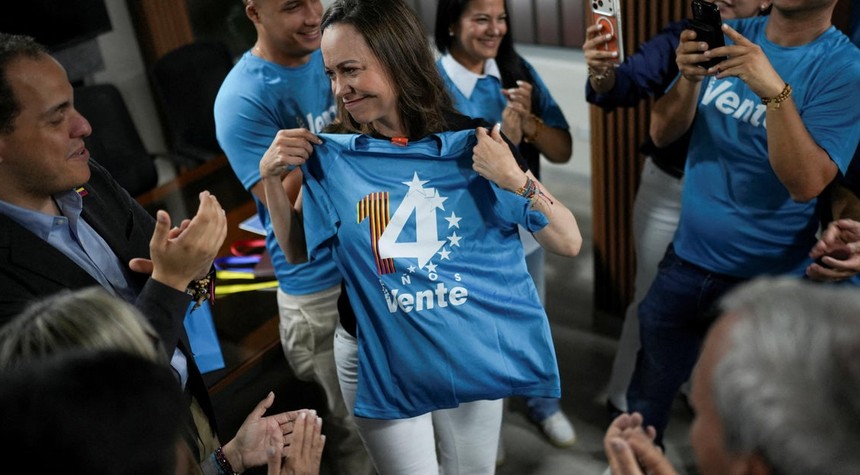
Venezuelan opposition leader Maria Corina Machado, recipient of the 2025 Nobel Peace Prize, has been prevented from returning to her homeland after three separate attempts within a 24-hour period, according to statements from her senior political adviser David Smolansky.
The attempted returns, which included efforts to enter by both air and sea routes, represent the latest chapter in Venezuela’s ongoing political transformation following the January seizure of former President Nicolas Maduro by United States forces during a swift operation in Caracas.
Machado, whom the previous Venezuelan government classified as a fugitive, has been unable to set foot in her native country since December, when a private American rescue team covertly extracted her to accept her Nobel Peace Prize in Norway. The Venezuelan government under Maduro had accused her of advocating for foreign military intervention against the regime.
The circumstances surrounding Machado’s blocked entry involve a complex web of air travel restrictions, sudden flight cancellations, and reported mechanical failures. Her attempts to return have taken on particular significance given Venezuela’s recent turmoil, including the devastating double earthquakes that struck on June 24, during which she also sought unsuccessfully to enter the country.
These developments occur against the backdrop of diplomatic activity in New York, where Venezuela’s interim leader Delcy Rodriguez held discussions with President Trump on the sidelines of the United Nations General Assembly. The timing underscores the delicate nature of Venezuela’s political situation as the country navigates its post-Maduro transition.
The current Venezuelan government has not extended an invitation to Machado for participation in the United States-backed transition negotiations now underway between interim government officials and selected opposition representatives. Machado has publicly stated she has no intention of interfering in these proceedings, though her absence from the talks raises questions about the inclusiveness of the transition process.
Venezuela endured a severe period of political repression following Maduro’s contested claim of victory in the July 2024 presidential election. International observers and the Venezuelan opposition disputed the election results, leading to a crackdown on dissent that only abated after American forces apprehended Maduro in January.
The situation facing Machado illustrates the complex political landscape Venezuela continues to navigate. While the removal of Maduro brought an end to the most aggressive suppression of opposition voices, the interim government’s refusal to allow a Nobel Peace Prize laureate to return to her homeland suggests that Venezuela’s path toward stable democratic governance remains uncertain.
For the United States and its allies who have invested considerable diplomatic and operational resources in Venezuela’s transition, Machado’s predicament presents a test of their commitment to ensuring a truly open political process in the South American nation. Her exclusion from both physical return and formal participation in transition talks may complicate international support for whatever government ultimately emerges from the current negotiations.
Related: Australian Children’s Author Terry Denton Dies at 76