
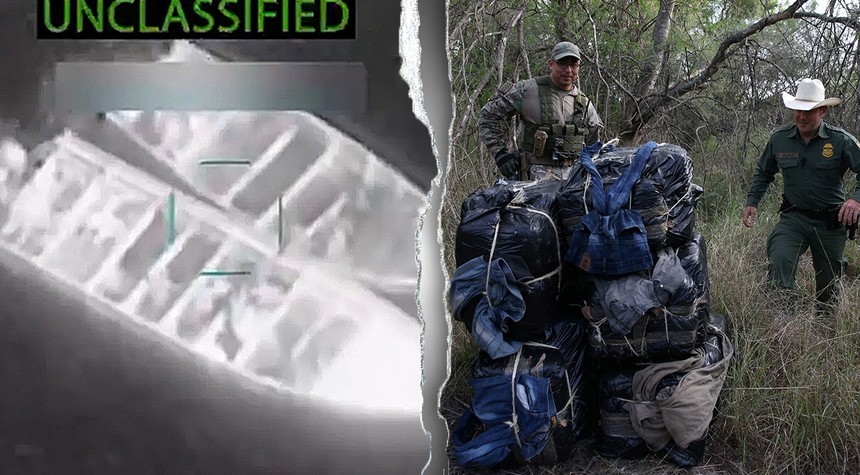
War Secretary Pete Hegseth announced Friday yet another successful strike against suspected narco-terrorists operating in the Caribbean Sea, marking the latest action in what has become a renewed American military campaign against drug trafficking in the Western Hemisphere.
The engagement occurred off the Venezuelan coast, where United States Navy vessels detected and subsequently destroyed a fast-moving craft believed to be transporting cocaine destined for American shores. This interdiction represents one of dozens conducted under the current administration’s revitalized maritime counter-narcotics strategy, a campaign that has effectively brought the military battlefront back to waters closer to home.
The strikes have demonstrated measurable impact on cartel operations. According to defense analysts, trafficking organizations are being forced to adapt their smuggling methods in response to heightened naval pressure. Brent Sadler, a senior fellow at the Heritage Foundation and former Navy officer, notes that cartels are increasingly turning to aircraft to move their illicit cargo, though this adaptation comes at considerable cost to their operations.
“They’re going to try and stay alive by moving cargo on aircraft,” Sadler explained. “But it’s more expensive, and you can’t move as much by volume, so it’s going to hurt their business model.”
This tactical shift by the cartels reveals both the effectiveness of American maritime interdiction and the adaptability of criminal enterprises worth billions of dollars. Yet it also highlights a curious geographic limitation to America’s drug war.
Across the Gulf of America, where the overwhelming majority of fentanyl entering the United States originates, the military campaign falls silent. There are no naval raids near Mexican ports, no drone strikes targeting cartel infrastructure, no discussion of kinetic operations against narco-targets within Mexican sovereign territory. The fight, quite deliberately, stops at the border.
The statistics tell a sobering story. A 2024 Drug Enforcement Administration assessment determined that nearly all methamphetamines sold in the United States are now manufactured in Mexico, with purity and potency levels exceeding those of previous years. United States Customs and Border Protection seized more than 27,000 pounds of fentanyl along the southern border in 2023 alone.
While Border Patrol reported the lowest number of apprehensions in fiscal year 2025 since 1970, at 283,000 individuals, the flow of synthetic drugs continues largely unabated. China supplies the precursor chemicals necessary for fentanyl and methamphetamine production, but Mexico serves as the primary manufacturing and distribution hub. Venezuelan and Colombian exports, by contrast, remain predominantly cocaine-based.
The distinction in American military response reflects complex considerations of international law and practical realities. Sadler argues that the United States should concentrate its efforts where legal authority is clearest and complications fewest—on the high seas and in international airspace.
“Once you go on land, now you’ve got sovereignty issues, collateral damage, all kinds of complications,” Sadler observed. He maintains that disrupting cartel financial networks and trade routes will prove more effective than direct military action on foreign soil. “The cartels will collapse under their own weight if their money supply is cut off,” he stated.
During his first presidential term, reports emerged suggesting consideration of strikes against Mexican drug laboratories, though such operations never materialized. Some members of Congress have since raised the possibility of military counternarcotics missions within Mexico, but such proposals face substantial legal and diplomatic obstacles that maritime interdictions do not.
The current strategy represents a middle path—aggressive action where American authority is unquestioned, restraint where sovereignty concerns complicate the mission. Whether this approach will prove sufficient to stem the tide of narcotics flowing northward remains an open question.
Related: Japan Displays Ford F-150 Pickup Truck During Trump Trade Talks in Tokyo