
The United States has designated Brazil’s two largest criminal organizations as foreign terrorist groups, a decision that has sparked immediate diplomatic tension and injected new volatility into Brazil’s presidential campaign.
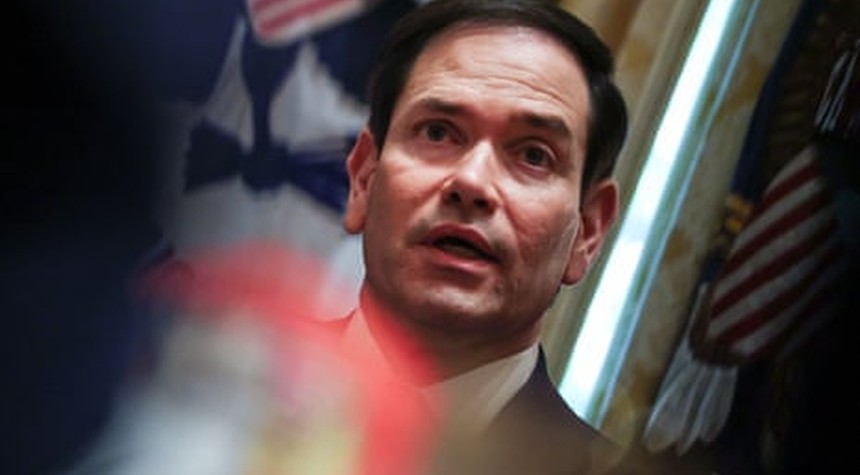
Secretary of State Marco Rubio announced Thursday that the First Capital Command and the Red Command would be classified as foreign terrorist organizations, describing them as “two of the most violent criminal organizations in Brazil” whose reach extends throughout the region and into the United States.
The timing of this announcement carries significant political weight. Rubio made the designation immediately following meetings with Flávio Bolsonaro, the far-right challenger in Brazil’s October presidential election. The younger Bolsonaro spent this week in Washington, where he met with both Rubio and President Donald Trump.
Brazilian President Luiz Inácio Lula da Silva responded swiftly and sharply to the American action, which he had strongly opposed. Speaking at an event in the state of Sergipe on Friday, Lula expressed his displeasure in unambiguous terms.
“I am very saddened by the news that the United States secretary, from North America, a certain Marco Rubio, said that our criminals here are terrorists and that Americans can intervene,” Lula stated. “We do not accept being treated like little boys. We do not accept being treated as if we were some tinpot country.”
The Brazilian president went further in a written statement, calling the Bolsonaro family “traitors” and “false patriots.” He condemned what he characterized as their pattern of seeking foreign intervention in Brazilian affairs, referencing previous instances involving tariff disputes that he said damaged the country’s interests.
This development arrives at a crucial moment for Flávio Bolsonaro’s campaign. The senator is running in place of his father, former President Jair Bolsonaro, who remains barred from seeking office while under house arrest following his conviction for attempting a coup. The younger Bolsonaro had been experiencing declining poll numbers after recordings surfaced of him requesting twenty-six million dollars from a banker accused of corruption to fund a film about his father.
The designated organizations emerged within Brazil’s prison system, initially forming as responses to torture and abuse. They have since evolved into two of Latin America’s largest criminal enterprises, controlling the export of cocaine produced in Colombia, Peru, and Bolivia. Their primary markets remain the United States and Europe, though their operations have expanded globally.
The Red Command stands as the older of the two organizations, while both have established extensive networks that challenge Brazilian law enforcement and extend their influence across national borders.
The designation grants American authorities expanded powers to pursue these organizations and their assets, but it also raises questions about sovereignty and the extent of foreign intervention in Brazilian internal affairs. For Lula, who has sought to assert Brazil’s independence on the world stage, the American action represents an unwelcome intrusion. For the Bolsonaro campaign, it provides validation of their harder line on crime and their closer alignment with American interests.
As Brazil approaches its October election, this clash between Washington and Brasília over criminal justice and national sovereignty promises to remain a central issue, with both sides calculating the domestic political advantages of their positions.
Related: Four Gold Miners Rescued from Flooded Cave in Laos After Week-Long Ordeal