
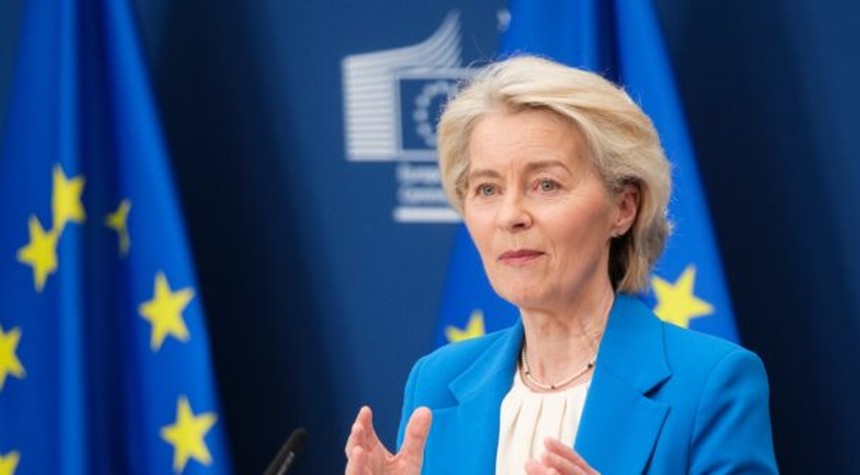
The political landscape of Europe shifted this week as Hungary’s electorate delivered a decisive victory to pro-European Union candidate Péter Magyar over longtime Prime Minister Viktor Orbán. The outcome has prompted immediate action from Brussels, where European Commission President Ursula von der Leyen announced her intention to leverage this transition toward fundamental changes in how the bloc conducts foreign policy.
Von der Leyen stated that the European Union should move toward qualified majority voting in foreign policy matters, effectively eliminating the veto power that individual member states have long held as a cornerstone of their sovereignty. “Moving to qualified majority voting in foreign policy is an important way to avoid systemic blockages, as we have seen in the past,” she said, in a clear reference to Orbán’s frequent opposition to Western European positions on matters including support for Ukraine.
The timing of this proposal is no coincidence. Von der Leyen explicitly acknowledged the need to “use the momentum now” created by Orbán’s defeat, noting that his likely successor “is very clear on the European path” and has committed to working cooperatively with Brussels.
The European Commission’s leverage over the incoming Hungarian government extends beyond rhetoric. Brussels has withheld tens of billions in funds from Hungary, citing objections to conservative policies implemented under Orbán’s administration. Magyar campaigned in part on a promise to secure these funds for Hungarian citizens, creating a significant pressure point for EU officials.
Reports this week indicate that the Commission has already presented Magyar with a list of twenty-seven demands that must be fulfilled before any frozen funds will be released. Among these requirements is a directive to loosen Hungary’s restrictions on asylum seekers entering the country.
The broader question remains whether Von der Leyen’s proposal can gain sufficient support among all twenty-seven member states. The principle of veto power has been fundamental to the European Union’s structure since its inception. Much like the compromises that created the United States Senate or the Electoral College, the veto mechanism was designed to prevent larger nations such as France and Germany from dominating smaller member states in critical decisions.
Orbán had previously warned that abandoning unanimous decision-making on foreign policy could result in nations being compelled to participate in military conflicts that their citizens opposed, effectively nullifying national self-determination. This concern resonates particularly in Central European nations that have sought to maintain distinct foreign policy positions from Western Europe.
Slovakia’s Prime Minister Robert Fico has expressed similar reservations. Speaking alongside Orbán last year, Fico warned that eliminating the veto would lead to the “liquidation of the EU” as currently constituted.
The debate reflects a fundamental tension within the European project between those who view deeper integration as essential to the bloc’s effectiveness and those who believe national sovereignty must be preserved. As Hungary prepares for its governmental transition, this question of where power should reside in Europe appears far from settled.
Related: Russia Launches Massive Aerial Assault on Ukraine, Killing at Least 16 Civilians