
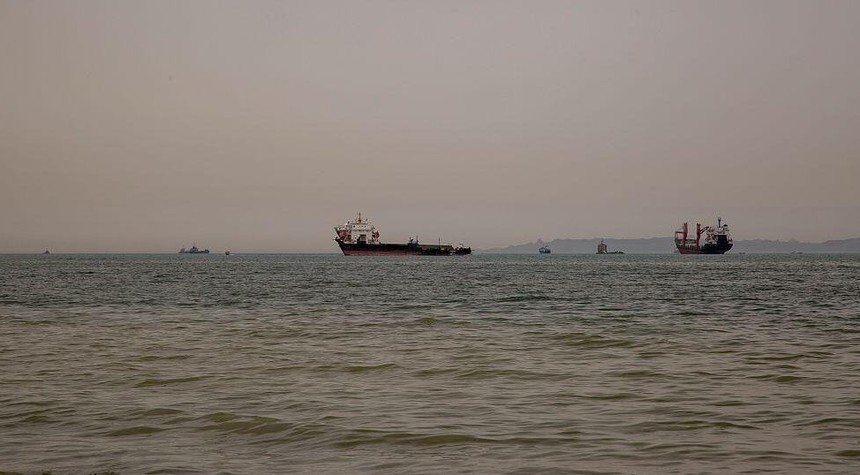
The chief executive of Chevron Corporation has indicated that commercial shipping through the Strait of Hormuz will likely require United States Navy protection when the critical waterway reopens, underscoring the gravity of the current crisis in the Persian Gulf.
The strait remains effectively closed amid escalating tensions between Washington and Tehran. Iranian threats against the narrow passage, combined with an American blockade of Iranian ports, have created a standoff with profound implications for global energy markets. Approximately one-fifth of the world’s oil supply normally transits through this strategic chokepoint.
Mike Wirth, Chevron’s chief executive, addressed the security concerns during a recent interview, outlining the conditions necessary before his company would resume operations in the region. The safety requirements are straightforward but demanding: confidence in the protection of personnel aboard vessels, security of cargo, and reliable passage through the waterway.
“We would have to believe that our people on the ship will be safe, the cargo will be safe, and they can be transited with a high degree of confidence,” Wirth stated. He emphasized that such decisions would be made in close coordination with the United States Navy and allied military organizations.
The Chevron executive’s assessment of the threat environment is sobering. Beyond the immediate danger of naval mines that could be deployed in the strait itself, Wirth noted additional risks emanating from Iranian-controlled territory along the waterway’s shores. This multifaceted threat picture explains why naval escorts would prove essential, particularly during initial transits after the strait reopens.
“In the early days, it is very likely that you could see naval escorts,” Wirth explained, adding that the presence of Navy vessels would provide defensive capabilities should any incident occur during passage.
The maritime incidents of recent days have demonstrated that these concerns are far from theoretical. Several confrontations have already occurred in the region, heightening anxieties among commercial shipping interests.
President Trump’s approach to the crisis has shown both resolve and tactical flexibility. On Thursday, the President confirmed that American minesweepers are actively clearing the strait of explosive devices. He issued direct orders to the United States Navy to engage and destroy Iranian vessels caught in the act of placing mines in the waterway.
This decisive stance represents one element of an administration policy that has evolved as circumstances have demanded. The President has navigated between ensuring freedom of navigation in international waters and avoiding unnecessary escalation with a regional adversary.
The current situation places America’s energy sector in an uncomfortable position. While the United States has achieved energy independence in recent years, American companies like Chevron maintain global operations and interests. The security of international shipping lanes remains vital not only for American commerce but for the stability of allied nations dependent on Middle Eastern energy supplies.
The prospect of sustained naval escort operations raises questions about duration and resource allocation. Such missions would require significant military assets at a time when American forces face competing demands across multiple theaters.
And that is the way it is.
Related: Prince Harry Calls on United States to Honor Treaty Obligations to Ukraine