
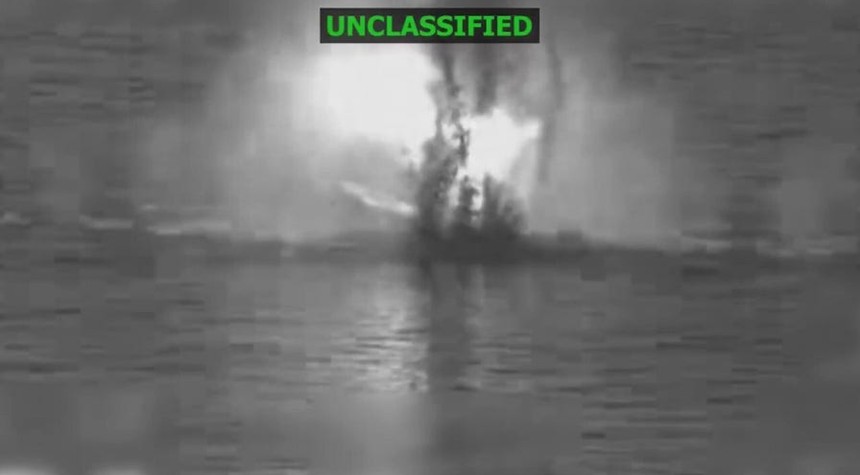
The United States military conducted a lethal strike against a suspected drug-trafficking vessel in the Eastern Pacific Ocean on Friday, resulting in the deaths of two individuals identified as narco-terrorists affiliated with designated terrorist organizations.
U.S. Southern Command confirmed the operation was executed at the direction of General Francis L. Donovan, commander of SOUTHCOM, through Joint Task Force Southern Spear. Intelligence assessments had determined the targeted vessel was operating along established narco-trafficking routes and actively engaged in drug-smuggling operations at the time of the strike.
The two male suspects killed in the action were confirmed to be narco-terrorists, though SOUTHCOM has not yet released their identities or specified which terrorist organizations they represented. No American military personnel were injured during the operation.
This strike represents the latest action in an intensifying campaign by U.S. military forces to disrupt and dismantle the maritime trafficking networks that fuel both terrorist organizations and transnational criminal cartels. The operation occurred less than one week after SOUTHCOM conducted a similar strike in the Caribbean Sea, which resulted in the deaths of three additional suspected narco-terrorists.
The frequency of these military operations signals a strategic shift in how the United States addresses the nexus between drug trafficking and international terrorism. By targeting vessels at sea, American forces aim to intercept contraband before it reaches U.S. shores while simultaneously degrading the operational capabilities of organizations that derive funding from the narcotics trade.
The Eastern Pacific corridor has long served as a critical transit route for drug-smuggling operations moving cocaine and other illicit substances from South American production zones toward markets in Central America, Mexico, and ultimately the United States. Criminal organizations and terrorist groups operating in this region have increasingly adopted sophisticated maritime tactics to evade detection and interdiction.
Joint Task Force Southern Spear, the unit responsible for Friday’s operation, operates as part of SOUTHCOM’s broader mandate to counter transnational threats throughout Central and South America and the Caribbean basin. The task force coordinates intelligence gathering, surveillance operations, and direct action missions designed to disrupt criminal networks that threaten American national security interests.
Recent months have witnessed numerous similar strikes as U.S. military forces have expanded kinetic operations against suspected narco-trafficking vessels. This tactical approach represents a departure from traditional law enforcement interdiction methods, employing military force against targets that meet the threshold for engagement under rules governing operations against designated terrorist organizations.
The designation of certain drug-trafficking groups as terrorist organizations provides the legal framework for these military strikes, distinguishing them from conventional counter-narcotics operations typically handled by law enforcement agencies. This classification reflects the recognition that some trafficking organizations have evolved beyond purely criminal enterprises into hybrid threats that employ terrorist tactics and maintain connections to internationally recognized terrorist groups.
As these operations continue, questions remain about the broader strategic impact on drug-trafficking networks and whether kinetic strikes can meaningfully degrade the capacity of well-funded, resilient criminal organizations. What remains clear is that the American military has committed substantial resources to this mission, viewing the disruption of narco-terrorism as essential to protecting both national security and domestic public safety.
Related: Pentagon Faces Critical Munitions Shortage After Iran Conflict