
The lower chamber of Chile’s national legislature voted Tuesday to approve a resolution that would establish an international tribunal to prosecute leaders of Cuba’s communist government for crimes against humanity. The measure represents a significant development in a years-long effort to bring accountability for decades of alleged atrocities committed under the Castro regime.
The resolution specifically calls for the creation of an international tribunal to judge crimes against humanity committed by Cuba’s communist government against the Cuban people and citizens of other nations. It urges Chile’s government to coordinate diplomatic efforts with other democratic nations and international organizations to promote justice, truth, reparation for victims, and guarantees that such crimes will not be repeated.
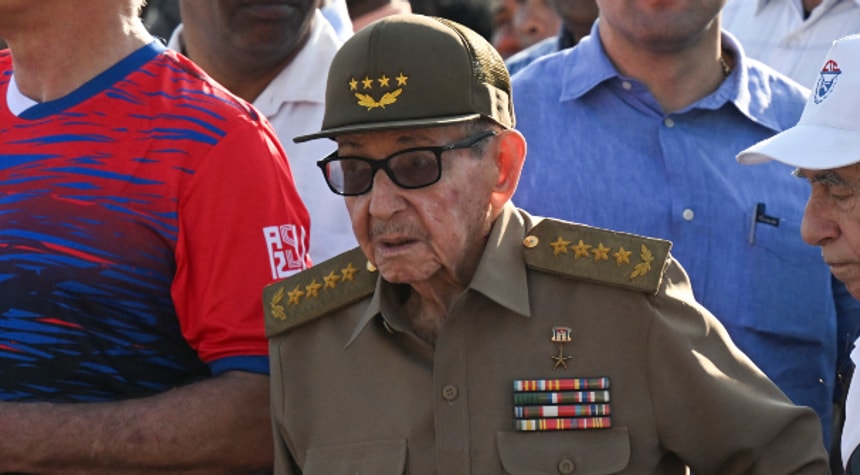
The individual most likely to face prosecution under such a tribunal is Raúl Castro, the 95-year-old current dictator of Cuba who assumed power a decade ago this week. Castro served for many years as the chief enforcer for his elder brother Fidel, carrying out what many describe as the regime’s most brutal operations. Florida prosecutors issued an arrest warrant for Castro in May related to the 1996 murders of four Americans with the humanitarian organization Brothers to the Rescue, who were searching for refugees lost at sea.
The resolution now advances to the desk of Chile’s conservative President José Antonio Kast, who has previously expressed public support for such a measure. Historical precedent exists for this type of international tribunal. The Nuremberg trials following World War II and the prosecution of war criminals from the former Yugoslavia provide models for such proceedings. Chile itself has experience with international efforts to hold dictators accountable. Former Chilean leader Augusto Pinochet was arrested by the United Kingdom in 1998, though he did not live to see the conclusion of legal proceedings against him.
Since Fidel Castro’s 1959 coup, the Communist Party has maintained absolute control over Cuba. Extensive documentation compiled by victims, human rights organizations, and regime records themselves point to a systematic pattern of atrocities. These include thousands of executions by firing squad, torture of political opponents, forced labor camps for Christians and suspected homosexuals, and the indiscriminate killing of refugees attempting to flee the island. The 1994 Tugboat Massacre, in which infants were among those killed, stands as one particularly horrific example.
Under international law, crimes against humanity encompass murder, extermination, enslavement, deportation, torture, persecution of identifiable groups, and enforced disappearance of persons when committed as part of a widespread or systematic attack against civilians. These crimes fall under jus cogens, or peremptory norms, which grant universal jurisdiction to courts worldwide. This legal framework permits Chile to pursue a leadership role in establishing such a tribunal.
The campaign to create an international tribunal began gaining momentum in 2017 when the organization Justice Cuba convened human rights experts and undertook extensive work to interview victims and gather evidence. Justice Cuba presented its findings before the Organization of American States in 2018, requesting member nations assist in establishing an international legal process. Chilean lawmakers initiated the process to bring the tribunal to their country in 2019.
René Bolio, president of Justice Cuba, pledged his organization’s full cooperation with the Chilean government in a statement issued Tuesday. He noted that his group has identified specific crimes and those responsible, collected testimony and documentation, and compiled lists of perpetrators. What has been lacking, he explained, is an international tribunal with the authority to judge this evidence.
The crimes expected to be examined include executions, torture, political imprisonment, religious persecution, internal deportations, and persecution of those attempting to leave the island. The Assembly of the Cuban Resistance, an international coalition of pro-democracy organizations, issued a statement describing the tribunal development as an important message to the Castro regime and its security forces that criminal actions against the people carry consequences.
The measure’s advancement represents a potential turning point in efforts to hold one of the Western Hemisphere’s longest-running authoritarian regimes accountable for its actions over more than six decades in power.
Related: Iranian Singer Receives 74 Lashes for Performing Without Mandatory Head Covering