
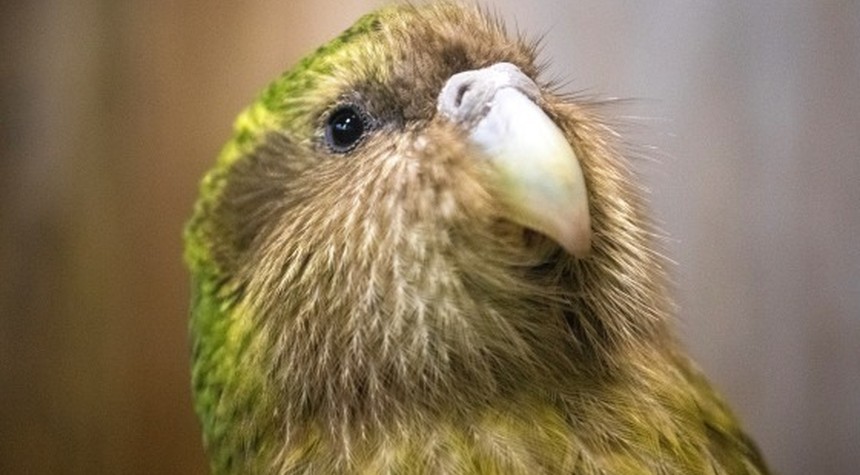
New Zealand conservation officials have announced a significant milestone in the recovery of one of the world’s most endangered bird species. The kakapo parrot population has reached 325 birds following the successful breeding of 90 chicks this season, representing the largest single-year increase since recovery efforts began.
The New Zealand Conservation Department confirmed that all 90 fledglings have reached 150 days of age, the threshold at which these unusual parrots are considered independent and can be officially added to the population count. For a species that once numbered merely 51 birds in 1995, this achievement represents tangible progress in a decades-long conservation battle.
The kakapo presents a unique case in modern wildlife preservation. These nocturnal, flightless parrots evolved in an environment devoid of ground predators, developing characteristics that would later prove nearly fatal. With their waddling gait, inability to fly, and substantial weight of up to nine pounds in males, kakapos became easy prey when human colonization introduced cats and rats to New Zealand several centuries ago.
Deidre Vercoe, manager of the kakapo recovery operations, placed the current success in historical context. In the early years of the recovery program, she noted, it took 16 years to produce 90 chicks. The program also endured a four-year gap between breeding seasons, making this year’s results particularly encouraging.
The species now stands at its highest population level in perhaps 75 years, though conservationists emphasize that the kakapo remains critically endangered. The road to full recovery continues to present substantial challenges, particularly regarding genetic diversity. With only 20 breeding females when the Kakapo Recovery Programme launched in 1995, the species has struggled with infertility and poor hatching success inherent to a limited gene pool.
Modern conservation techniques have proven essential to the program’s success. Each kakapo wears a small radio transmitter backpack, allowing researchers to monitor location and activity levels continuously. This technology enables the precise management necessary for a species where every individual bird carries significant weight for future genetic diversity.
The parrots themselves possess remarkable characteristics that offer both hope and complication for recovery efforts. Their distinctive yellow-green plumage and large gray beaks make them unmistakable, while their longevity of 60 to 90 years provides extended breeding opportunities. However, their dietary dependence on berries from native Rimu trees creates natural obstacles to population growth, as these trees bear fruit only every two to four years, directly impacting kakapo mating cycles.
Conservation efforts have necessitated relocating all surviving kakapos to small, predator-free offshore islands. This protective isolation, while essential for survival, limits habitat availability and creates logistical challenges for population expansion.
The broader lesson from the kakapo recovery extends beyond New Zealand. When European explorers first arrived, these parrots were widespread across the islands. Conservation attempts began as early as 1894, yet the species nearly disappeared by the mid-1900s despite these early interventions. The near-extinction underscores how quickly introduced species can devastate ecosystems that evolved in isolation.
The current success demonstrates that intensive, science-based conservation can reverse even seemingly inevitable decline. With 13 breeding seasons now completed under the structured recovery program, the kakapo’s trajectory has shifted from extinction’s edge toward cautious optimism, though the species’ critically endangered status remains unchanged.
Related: Geographic Renaming Becomes Flashpoint in Escalating US-Canada Trade War