
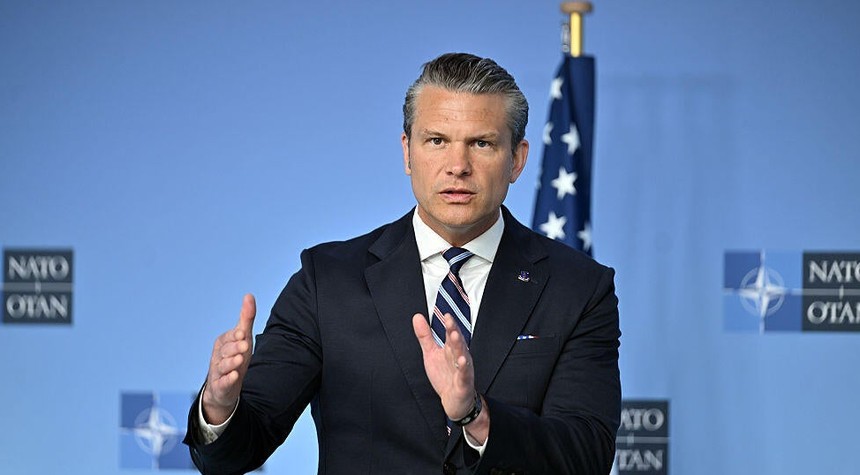
The United States Department of Defense has initiated a comprehensive six-month review of American military forces and installations across Europe, Defense Secretary Pete Hegseth announced Thursday during a gathering of NATO defense ministers. The announcement followed pointed criticism of allied nations for what Hegseth characterized as insufficient support during recent military operations against Iran.
Speaking with unmistakable frustration, Hegseth took European allies to task for their reluctance to permit American forces unfettered access to bases and airspace during the Iran campaign. While refraining from identifying specific nations, the Defense Secretary made clear his displeasure with countries that both criticized American military action and simultaneously denied the United States operational permissions essential to the campaign’s execution.
“These allies put America’s sons and daughters at risk by denying them the predictable access and overflight that never should have been in question at all,” Hegseth stated. The Defense Secretary described this situation as contributing directly to the Pentagon’s decision to launch what officials are calling the “NATO 3.0” review.
This initiative represents a significant evolution in American defense posture toward the Atlantic alliance. NATO 3.0, first introduced in February by Undersecretary of Defense for Policy Elbridge Colby, fundamentally reimagines the transatlantic security arrangement by placing primary responsibility for European conventional defense squarely on European shoulders. Hegseth declared that NATO 2.0, which he termed “an era of freeriding,” has reached its conclusion.
The timing of this announcement carries considerable weight. President Trump is expected to attend the NATO Summit in Ankara, Turkey, next month, where these questions of burden-sharing and force posture will undoubtedly dominate discussions. The review also arrives amid growing bipartisan unease on Capitol Hill regarding recent troop reductions on the continent.
In May, the Pentagon withdrew 5,000 troops from Germany, a decision that prompted immediate concern from senior Republican lawmakers. Senator Roger Wicker of Mississippi and Representative Mike Rogers of Alabama, who chair the Senate and House Armed Services Committees respectively, issued a joint statement expressing their reservations about the move and emphasizing the need for deliberate consultation with Congress and allied nations before implementing such changes.
The Pentagon has also reduced the number of brigade combat teams assigned to Europe, catching several members of Congress off guard. During recent testimony before the House Armed Services Committee, Representative Austin Scott of Georgia voiced frustration that these appeared to be hastily made decisions lacking proper congressional consultation.
Approximately 80,000 American service members currently maintain the watch in Europe. Existing legislation requires the Pentagon to present a detailed plan before reducing that number below 76,000. The Senate Armed Services Committee has moved to strengthen congressional oversight further. The draft version of this year’s National Defense Authorization Act, which cleared committee last week, would mandate that the Defense Secretary submit an impact assessment 120 days before implementing any drawdown.
Hegseth’s remarks suggest the administration views some allies as insufficiently committed to collective defense, noting a lack of tangible progress toward meeting the goal of spending five percent of gross domestic product on defense. That is the question now before the alliance: whether European nations will shoulder greater responsibility for their own defense, or whether the postwar security architecture that has endured for three-quarters of a century requires fundamental restructuring.
Related: US Government Refuses to Acknowledge Civilian Harm in Somalia Strike That Injured Child