
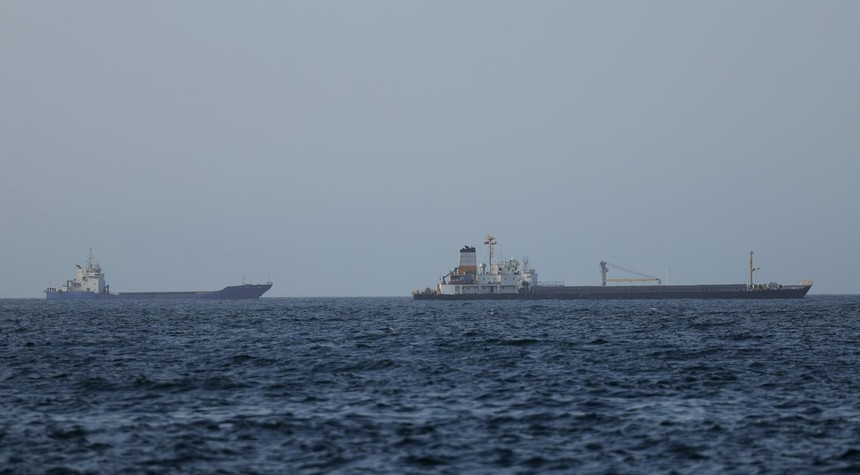
Major international shipping companies have begun moving their vessels through the Strait of Hormuz following an agreement signed Wednesday between the United States and Iran, maritime intelligence sources report. This marks the first movement of major commercial ships through the critical waterway in 110 days.
Richard Meade, editor in chief of Lloyd’s List, confirmed during a media briefing that vessels owned by significant shipping companies have successfully transited the strait after being effectively stranded since February. The development represents a potentially significant easing of what has become a historic global energy crisis.
The Strait of Hormuz serves as one of the world’s most vital maritime chokepoints, facilitating the transport of approximately 20 percent of the world’s oil and natural gas supply. Its closure has sent shockwaves through global energy markets and contributed to sustained price increases affecting consumers worldwide.
Among the companies whose vessels have successfully navigated the strait are Grimaldi Group, Cosco, Knutsen, and NYK. Additionally, two crude oil tankers owned by the National Iranian Tanker Company, both flagged by Iran and under international sanctions, have entered the waterway.
The situation remains complex, however. Phillip Belcher, marine director of Intertanko, a trade organization representing independent tanker owners globally, indicated that the primary central route through the strait remains closed. An estimated 80 naval mines require clearance before that passage can be deemed safe for commercial traffic.
Instead, vessels have been utilizing alternative routes. Ships are now passing through the northern channel, which traverses Iranian territorial waters, and the southern route, which passes through waters controlled by Oman. According to Belcher, both of these alternative passages appear to be fully operational.
The logistical challenge ahead remains substantial. Lloyd’s List estimates that approximately 550 merchant vessels will need to prepare for departure from the Gulf region. This flotilla includes roughly 160 tankers, 200 bulk carriers, 60 container ships, and 10 vehicle carriers. The orderly movement of this maritime traffic will require careful coordination to prevent congestion and ensure safety.
President Trump addressed the situation in a statement on Truth Social, expressing expectations for a “complete ceasefire” as negotiations with Iran continue. The President’s remarks also referenced ongoing hostilities between Israel and Hezbollah, suggesting that the administration views the regional situation comprehensively rather than as isolated incidents.
The reopening of the strait, even partially, represents a critical development for global commerce and energy security. The 110-day closure has demonstrated the vulnerability of international supply chains to regional conflicts and the strategic importance of this narrow waterway connecting the Persian Gulf to the Gulf of Oman and beyond.
As mine-clearing operations continue and diplomatic negotiations progress, the international community watches carefully to see whether this tentative reopening will hold and whether the central route can be restored to full operational status in the coming weeks.
Related: US Government Refuses to Acknowledge Civilian Harm in Somalia Strike That Injured Child