
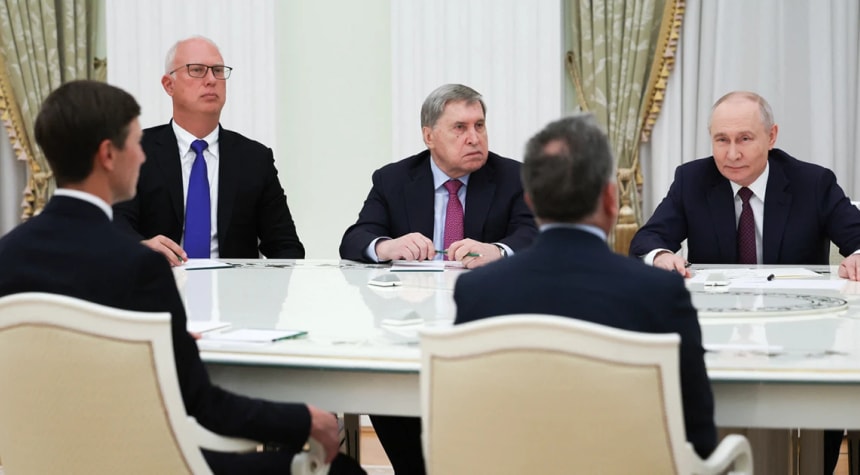
The diplomatic landscape surrounding efforts to end the war in Ukraine has taken an unexpected turn, one that has left America’s European allies deeply concerned about the direction of negotiations between Washington and Moscow.
European governments have long expressed frustration at the prospect of being excluded from substantive peace negotiations between the United States and Russia. Their fear has been a bilateral agreement that might favor Russian interests at Europe’s expense. Those concerns have now been compounded by a proposal from the Trump administration that European security arrangements themselves should be subject to negotiation, a position that closely mirrors demands Russian President Vladimir Putin has advanced for years.
The proposal emerged as President Trump prepares for a historic three-way meeting with Putin and Chinese President Xi Jinping in Shenzhen, China. The White House has indicated its willingness to include European nations in subsequent rounds of diplomacy, but the terms of that inclusion have proven deeply troubling to allied governments.
Jared Kushner, serving as a presidential envoy, articulated the administration’s position in recent statements, calling for discussions on "broader postwar European security arrangements" and an "enduring framework for long-term European security and stability." The president himself suggested the eventual agreement would extend beyond Ukraine to encompass the entire continent, describing it as a comprehensive settlement that would please all parties.
European leaders have responded with unusual bluntness. Kaja Kallas, the European Union’s foreign policy chief, warned that Washington risks "walking into Moscow’s trap." Former Estonian President Toomas Hendrik Ilves questioned the credentials of administration negotiators, noting that both Kushner and fellow envoy Steve Witkoff built their careers in real estate rather than diplomacy. His concern centers on whether these officials possess sufficient understanding of Europe’s complex security architecture and its historical development in relation to Russia.
The historical record provides context for European alarm. Russia’s actions over the past decade include the 2014 seizure of Crimea, the 2022 full-scale invasion of Ukraine, and an ongoing campaign of sabotage, cyberattacks, and disinformation directed at Western nations. European officials view the American proposal as granting legitimacy to Russian grievances that lack foundation in fact.
German Foreign Minister Johann Wadephul stated plainly that Europe already possesses a security architecture and requires no replacement. Lithuanian Foreign Minister Kęstutis Budrys emphasized that the existing rules are adequate; the problem lies in Russia’s violation of them. Canadian Prime Minister Mark Carney declared that the security framework for free Europe would be determined by free Europe and NATO, not by Russian diktat.
Ukrainian President Volodymyr Zelenskyy described the proposal as dangerous, arguing that European security should not become the primary focus of negotiations. Ukrainian officials maintain that Russia’s military failures over more than four years of warfare leave Moscow in no position to make sweeping demands about continental security arrangements.
The White House has defended its approach. Assistant press secretary Olivia Wales stated that the American proposal seeks to strengthen existing European security arrangements while developing practical mechanisms to prevent future conflict. She emphasized that security guarantees for Ukraine cannot be designed without understanding the broader framework in which they will operate, and that any final agreement must respect European and Ukrainian sovereignty.
The substance of European objections extends beyond mere wounded pride at American unilateralism. Allied governments fear that opening negotiations on fundamental security arrangements rewards Russian aggression and encourages future provocations. They argue that accepting Moscow’s framing of the issue creates the impression that European security policy, rather than Russian military action, caused the current crisis.
As winter approaches, Kyiv and its European supporters insist that a ceasefire must precede any broader negotiations. They accuse Moscow of deliberately delaying progress to continue its bombardment of civilian infrastructure during the coldest months. The question now facing Western capitals is whether American eagerness for a comprehensive settlement will override the security concerns of the nations most directly threatened by Russian power.
Related: Bahrain Intercepts Iranian Drones Targeting United States Military Base