
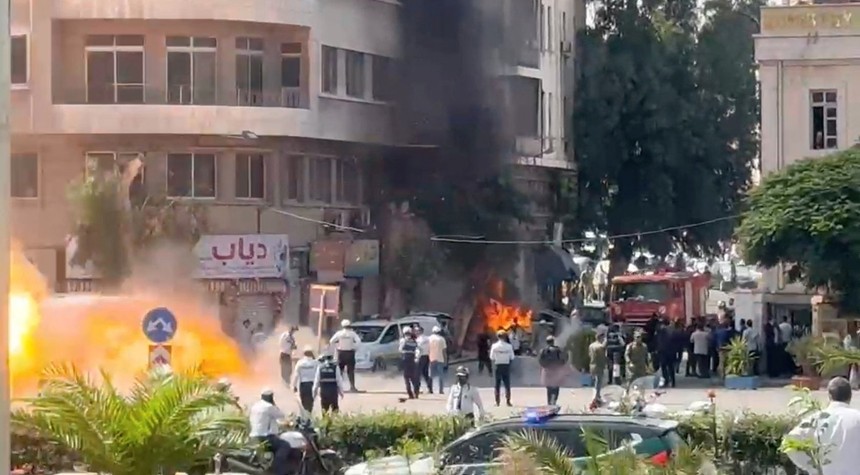
Twin explosions struck the Syrian capital of Damascus on Tuesday, injuring at least 18 people as French President Emmanuel Macron conducted the first major Western diplomatic mission to Syria since the fall of the Assad regime.
The blasts occurred near the Ministry of Tourism building in Damascus while Macron was meeting with Syrian President Ahmed al-Sharaa. According to Syrian state media reports, four security personnel were among those injured in the explosions. Syrian authorities have not yet determined the cause of the incidents, and no group has claimed responsibility at this hour.
The timing of these explosions underscores the fragile security situation that continues to plague Syria even after the December departure of former President Bashar al-Assad, whose authoritarian rule lasted more than two decades. The Assad regime’s collapse marked a turning point in the Syrian conflict, which has devastated the nation since 2011 and displaced millions of its citizens.
President Macron, undeterred by the security incident, continued his diplomatic schedule in Damascus. In a statement released following the explosions, though without directly referencing the blasts, the French president expressed solidarity with the Syrian people’s aspirations for stability and sovereignty.
“Nothing can smother the aspiration of Syrian women and men to live in a fully sovereign, safe, pluralistic and united Syria,” Macron stated. “This morning I met Syria in all its diversity. I saw dignity, courage and determination. My visit continues.”
The French president’s decision to press forward with his itinerary demonstrates the high stakes Western powers are placing on Syria’s transition period. France, along with other European nations, has significant strategic interests in ensuring Syria’s stability, particularly regarding the potential return of Syrian refugees currently residing in Europe and the prevention of terrorist groups from establishing strongholds in the region.
Macron’s historic visit represents a calculated diplomatic gamble. By becoming the first major Western leader to engage directly with Syria’s new leadership, France is positioning itself as a key player in shaping the country’s future. This move also signals Western recognition of the new Syrian government, though formal diplomatic relations remain a complex matter requiring careful negotiation.
The visit comes at a critical juncture for Syria. The nation faces enormous challenges in rebuilding its shattered infrastructure, establishing legitimate governance structures, and reconciling the deep divisions created by years of civil war. The international community must weigh its desire to support Syrian reconstruction against concerns about legitimizing potentially problematic leadership elements.
Tuesday’s explosions serve as a stark reminder that despite political changes at the highest levels, Syria remains a dangerous and unstable environment. The incident raises questions about the new government’s ability to maintain security and protect both its citizens and visiting dignitaries.
As this situation continues to develop, the world watches to see whether Syria can successfully navigate its transition from authoritarian rule to the stable, pluralistic society its people deserve. President Macron’s visit, despite its dramatic interruption, may prove to be a pivotal moment in that journey.
Related: Congressional Report Reveals Alleged Discrimination Against U.S. Firms in South Korea